Pаста sauсe is the key to turning plain noodles into a tasty dish . You mix veggies , herbs , and other stuff into a sauce that hugs every strand of pasta and makes it way better . From a simple tomato mix to a rich creamy blend , there’s a sauce for every taste and pasta shape .
But it’s not just an Italian thing anymore . All over the world people make sauces with local ingredients . In Italy you might find marinara or pesto , in Asia you get spicy soy blends . Chefs and home cooks both love to tweak recipes and add their own twist .
This guide shows you the main kinds of pasta sauces , how to make them at home , and which pastas go best with each one . New cook or old pro , you’ll learn stuff to help you whip up great sauce from scratch or pick the right jar at the store .
1. Types of Pasta Sauces
There are three big groups of pasta sauces : tomato-based , cream-based , and oil-based sauces . Each group has its own flavors and textures that work with different pasta shapes .
1.1. Tomato-Based Sauces
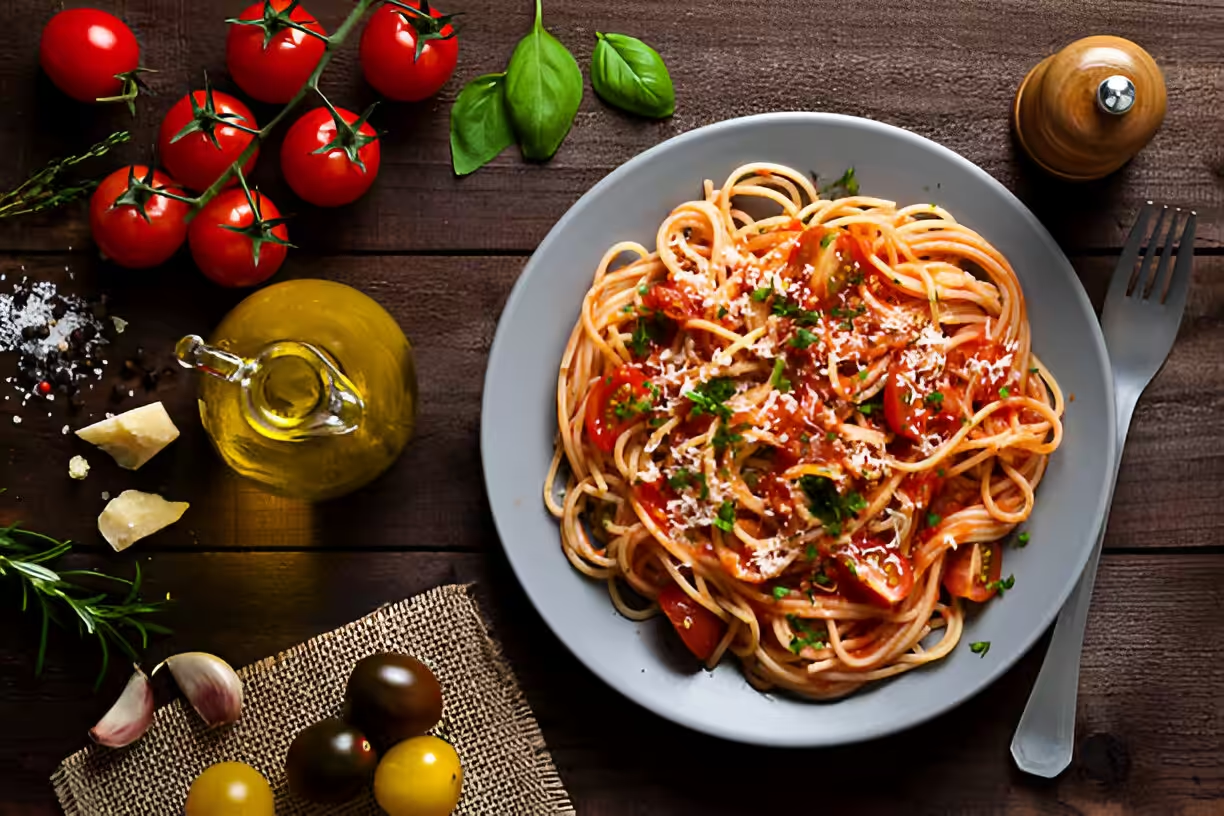
Tomato sauces are bright and tangy . They’re the classic choice for spaghetti and lots of other pastas .
1.1.1. Marinara Sauce
A simple sauce with tomatoes , garlic , onion , and herbs . It’s quick to make and perfect for many dishes .
1.1.2. Arrabbiata Sauce
Hot and spicy , made with tomatoes , garlic , olive oil , and chili flakes . Penne loves this fiery sauce .
1.1.3. Bolognese Sauce
A meaty sauce that simmers for ages with ground beef , veggies , and tomatoes . Best with tagliatelle for a filling meal .
1.2. Cream-Based Sauces
Cream sauces are rich and smooth . They coat pasta in a velvety layer that feels indulgent .
1.2.1. Alfredo Sauce
Buttery cream and Parmesan cheese make this Roman classic . Fettuccine is the usual pick for Alfredo .
1.2.2. Carbonara Sauce
Eggs , cheese , pancetta , and pepper create a creamy sauce without using cream . The hot pasta cooks the eggs just right .
1.2.3. Bechamel Sauce
A white sauce from butter , flour , and milk . Used in dishes like lasagna or mac and cheese for extra creaminess .
1.3. Oil-Based Sauces
Oil sauces are light and fresh . They highlight good olive oil and simple add-ins .
1.3.1. Aglio e Olio
Garlic sautéd in olive oil with a pinch of chili flakes and parsley . Fast , easy , and full of flavor .
1.3.2. Pesto
Bright green sauce from basil , pine nuts , garlic , cheese , and olive oil . Great on pasta or as a spread .
1.3.3. Sicilian Olive Oil Sauce
High-quality oil mixed with garlic , lemon , and anchovies . Orecchiette soaks up its bold taste .
2. The Science of Pasta Sauce Making
Good sauce isn’t just luck . You need the right balance of flavors and textures . Here’s why each part matters :
2.1. The Role of Acidity
Acidity from tomatoes , wine , or vinegar cuts through fat and brightens the sauce . Balancing it with a bit of sweetness or cream makes a well-rounded flavor .
2.2. Emulsification Techniques
Mixing oil and water-based ingredients can be tricky . Whisking slowly and using heat helps make a smooth , cohesive sauce .
2.3. Importance of Fresh Ingredients
Fresh herbs , ripe tomatoes , and good olive oil make a big difference in taste and smell . Buying quality stuff means better sauce .
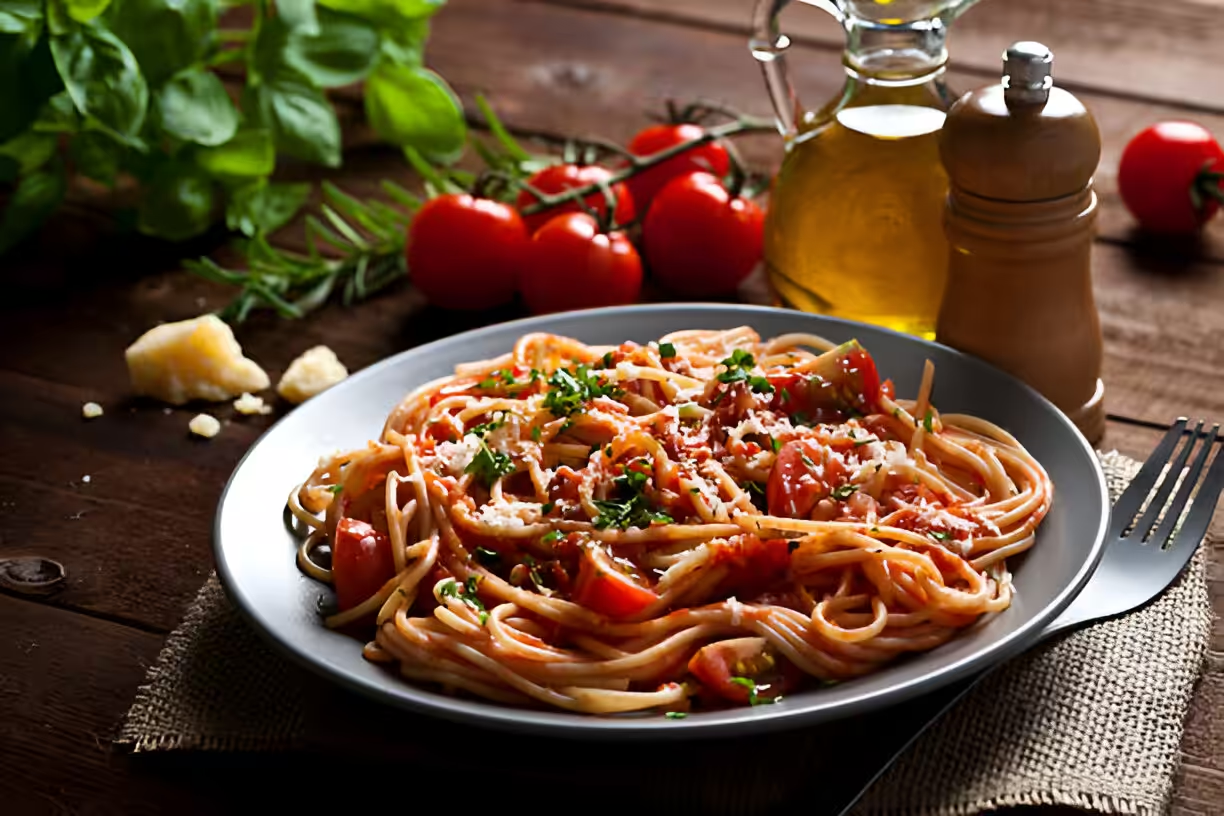
3. How to Pair Pasta Sauces with Different Pasta Types
Matching sauce and pasta shape makes a dish shine . Here’s a quick guide :
3.1. Long Pasta (e.g., Spaghetti, Fettuccine)
Light sauces like marinara cling well to long strands . Creamy sauces like Alfredo also work great with fettuccine .
3.2. Short Pasta (e.g., Penne, Fusilli)
Chunky sauces like Bolognese fill the tubes and spirals . Pesto also sticks to ridges for a fresh taste .
3.3. Stuffed Pasta (e.g., Ravioli, Tortellini)
Simple sauces like brown butter or light cream let the filling stand out . A drizzle of olive oil and herbs is enough .
4. Homemade Pasta Sauce Recipes
4.1. Classic Marinara Sauce Recipe
Ingredients
- 2 cups crushed tomatoes
- 2 cloves garlic, minced
- 1 onion, diced
- 2 tablespoon olive oil
- 1 teaspoon dried oregano
- Salt and pepper to taste
Directions
- Heat oil in a pan over medium heat . Add onion and cook till soft .
- Stir in garlic for 1 minute .
- Add tomatoes and oregano , then simmer 20–30 minutes .
- Season with salt and pepper .
- Serve with pasta or cool and store .
Tip: Add red pepper flakes or fresh basil for extra flavor . Keeps 1 week in fridge or months in freezer .
4.2. Creamy Alfredo Sauce Recipe
Ingredients
- 1 cup heavy cream
- ½ cup Parmesan cheese
- 2 tablespoon butter
- 2 cloves garlic, minced
- Pinch of nutmeg
- Salt and pepper
Directions
- Melt butter in pan . Add garlic and cook 1 minute .
- Pour in cream and simmer gently .
- Stir in cheese and nutmeg till melted .
- Season and toss with fettuccine .
- Serve hot .
Tip: Mix in chicken or veggies for protein . Store 3 days in fridge .
4.3. Basil Pesto Recipe
Ingredients
- 2 cups basil leaves
- ¼ cup pine nuts
- 2 cloves garlic
- ½ cup olive oil
- ½ cup Parmesan cheese
Directions
- Blend basil , nuts , and garlic in a processor .
- Slowly add oil while mixing till smooth .
- Stir in cheese and season .
- Serve with pasta or store airtight in fridge .
Tip: Swap nuts for walnuts or almonds . Freeze in ice cube trays for easy portions .
5. Store-Bought Pasta Sauces: Pros and Cons
5.1. Advantages of Convenient Options
Jarred sauces save time and come in many flavors . Great for busy weeknights .
5.2. Disadvantages of Store-Bought Sauces
They can be high in salt , sugar , and preservatives . Sometimes taste less fresh .
5.3. Recommended Brands
Look for labels that list simple ingredients . Brands like Rao’s , Classico , and Prego are popular .
6. Health Considerations with Pasta Sauces
6.1. Nutritional Aspects
Tomato sauces are lower in fat and have vitamins . Cream sauces are richer and higher in calories .
6.2. Common Additives and Preservatives
Many jars use chemicals to last longer . Read labels and pick sauces with fewer additives .
6.3. Making Healthier Choices
Use fresh veggies and herbs . Cut back on oil and sugar . Add more greens for nutrients .
7. FAQs about Pasta Sauce
7.1. What is the best pasta sauce?
It’s all about what you like . Marinara and Alfredo are classics , but try new kinds to find your fave .
7.2. How long does homemade pasta sauce last?
Fridge: up to 1 week . Freezer: about 3 months .
7.3. Can you freeze pasta sauce?
Yes , freeze in bags or containers to save for later meals .
7.4. What is the difference between marinara and spaghetti sauce?
Marinara is basic with just tomatoes , garlic , and herbs . Spaghetti sauce often has meat and veggies added .
Conclusion
Pаста sauce makes all the difference in a meal . By learning the types , pairings , and tips here , you can make or pick up the perfect sauce for your pasta . Try new recipes , tweak them to your taste , and enjoy sharing your tasty dishes .
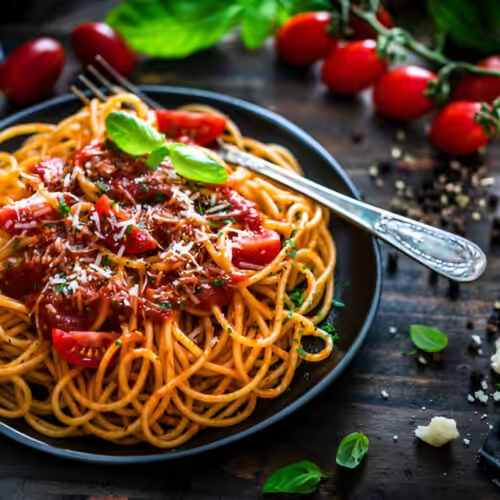
pasta sauce
Equipment
- 1 large saucepan
- 1 wooden spoon
- 1 cutting board
- 1 set measuring cups
- 1 set measuring spoons
Ingredients
- 2 tablespoons olive oil
- 1 medium onion, diced
- 3 cloves garlic, minced
- 28 ounces crushed tomatoes 1 can
- 1 teaspoon dried oregano
- 1 teaspoon dried basil
- ¼ teaspoon red pepper flakes optional
- Salt to taste
- Black pepper to taste
- 1 tablespoon sugar to balance acidity, optional
- Fresh basil leaves for garnish, optional
Instructions
- Heat the olive oil in a large saucepan over medium heat.
- Add the diced onion and sauté for about 5 minutes, or until it becomes translucent.
- Stir in the minced garlic and cook for another minute until fragrant.
- Pour in the crushed tomatoes and add the dried oregano, dried basil, red pepper flakes (if using), salt, black pepper, and sugar.
- Bring the mixture to a simmer, then reduce the heat to low. Cover the saucepan and let it cook for about 25 minutes, stirring occasionally.
- Taste the sauce and adjust the seasoning as needed. If desired, add more salt, pepper, or sugar.
- If you prefer a smoother sauce, you can use an immersion blender to puree the sauce to your desired consistency.
- Serve hot over your favorite pasta and garnish with fresh basil leaves if desired.