The pressure builds and you start counting down minutes until you eat. You get this sorta tingle when the valve hiss kicks in and that steam cues tell you somethin's cookin’ right. The float valve popping up is like a signal that things are about to get seriously tasty.
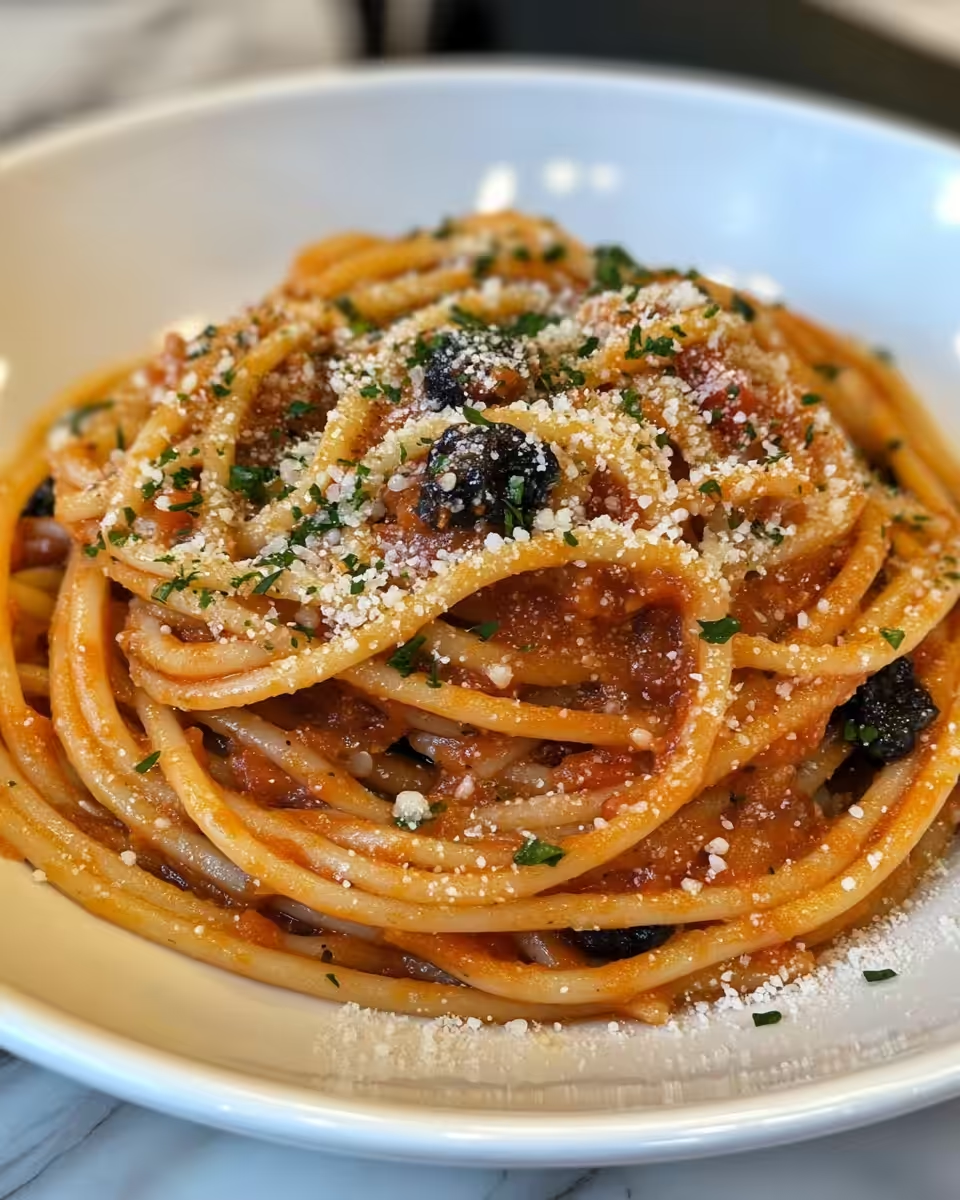
You're not just waitin' on pasta that’s gonna be mushy or bland. Nope, when you get the tender pull just right, that spaghetti’s perfect and coated in sauce that’s bursting with flavor. The sealing ring on your pressure cooker works overtime to keep all that yum right in.
It’s kinda exciting knowing you’re gonna eat real good without spendin’ hours in the kitchen. You watch the steam dance while you think about how many forkfuls you’ll take once that timer dings. That pressure cooker vibe is kinda unbeatable, gotta say.
What Makes Pressure Cooking Win Every Round
- You save a bunch of time since pressure cooking fast-tracks tender pasta and sauces.
- The sealed environment keeps flavors locked in tight, so every bite’s packed with taste.
- You get those steam cues and valve hiss signals that help you know exactly when things are ready.
- The float valve gives you peace of mind that pressure’s built up just right.
- Using a pressure cooker means less mess 'cause everything cooks in one pot mostly.
- The sealing ring stops leaks making sure ingredients don’t dry out or burn.
- It’s perfect for weeknights when you want dinner quick and with big flavor.
Pressure cooking truly enhances every meal — learn more about mastering this in our Easy Thai Baked Chicken Meatballs recipe, where the float valve and sealing ring play crucial roles. Also, don't miss tips on maintaining your equipment to keep that sealing ring fresh and functional.
Your Simple Ingredient Checklist
You gotta grab some real good stuff for this Pasta Puttanesca, but it’s not complicated. First up, one big ol' can of San Marzano tomatoes, 28 ounces roughly. Drain ’em nice so your sauce isn’t runny.
Olive oil’s your friend here. A quarter cup of extra-virgin is perfect for that rich base. Shallots, finely chopped, about a third cup, add this mild sweetness you’ll notice right away. Don’t forget the sea salt, just a quarter teaspoon to help everything pop.
Garlic’s gotta be fresh and finely chopped too, three cloves. You’ll want a little kick with a quarter teaspoon of red pepper flakes. Those capers, two big tablespoons, and half a cup of pitted kalamata olives chopped up give this sauce its classic tang and briny punch.
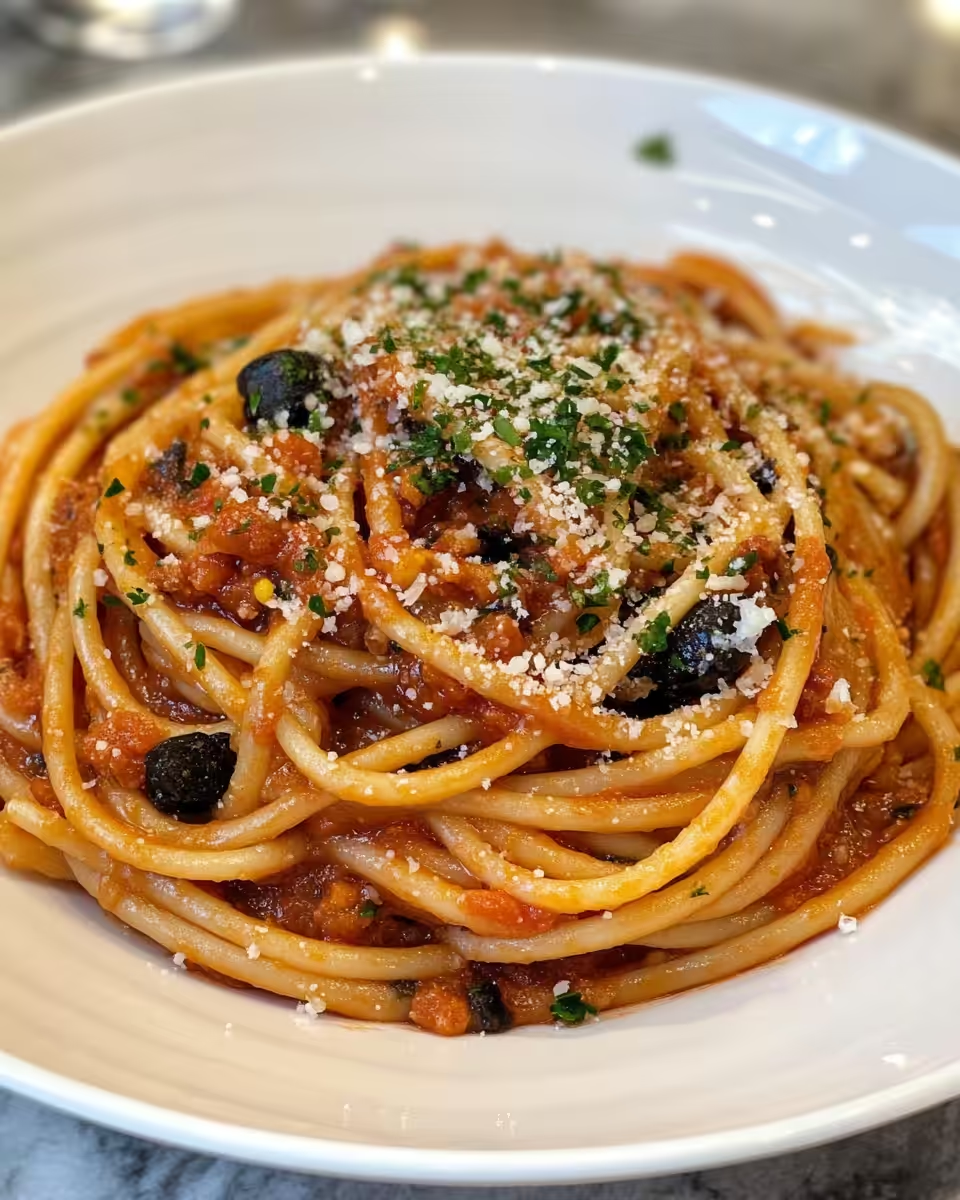
Last but not least, you’ll need 12 ounces of spaghetti pasta and a quarter cup of chopped fresh parsley. Parsley’s not just for show, it freshens up every bite and garnish makes it look fancy without any extra fuss.
Walking Through Every Single Move
Start by bringin’ a big pot of salted water to boil. You want it salty like the sea so your spaghetti tastes great. Toss in that pasta and cook until it’s al dente, follow the package instructions so you don’t overdo it. Drain it and set aside because the sauce’s waitin.
Next, you grab your pressure cooker skillet or just your big skillet and heat up a quarter cup of olive oil over medium heat. Toss in your nicely chopped shallots and sprinkle a pinch of salt to help ’em soften. Stir a bit, they gotta look translucent in about 2 to 3 minutes.
Throw in garlic and red pepper flakes and stir for a quick 30 seconds, you can smell that aroma right away, it’s good stuff. Now pour in your drained San Marzano tomatoes and start breaking ’em up with your spoon. You’re gonna simmer this for about 10 minutes, stir once in a while so it doesn’t stick.
Time to add capers and olives. Stir ’em in and let it keep cooking for about 5 more minutes so flavors mingle real good. Once that’s done, add your cooked spaghetti right into the skillet and toss everything together so every strand gets coated.
Mix in the chopped parsley and taste your sauce. Add a pinch more salt if you think it needs it. When you dish it out, sprinkle some fresh parsley on top to make it pop visually and for a little fresh zing.
That’s it, simple and straight to the point. Your pressure cooker does a lot of the heavy lifting here, and everything comes out tender and flavorful every time.
Easy Tweaks That Make Life Simple
Sometimes you gotta work with what you got and make this recipe your own. Wanna save time? Use pre-chopped shallots or even onion—they sorta work the same.
If you don’t have fresh garlic, garlic powder can step in but add it a bit later so it doesn’t burn. Got no San Marzano tomatoes? Regular canned tomatoes work but do your best to drain ’em well for thick sauce.
Olives not your thing? You can skip ’em or just use capers; you’ll lose some punch but still tasty. And hey, if you’re rushed, cook pasta straight in the cooker with sauce but shorten the pressure time so it don’t turn to mush.
Your First Taste After the Wait
When you finally twirl that fork full of spaghetti, you’ll notice a deep tomato flavor that kinda hugs your tongue. The rich olive oil and garlic kick in, warming and comforting like a cozy night in.
The salty pop of olives and briny burst of capers surprise your taste buds and keep things lively. That red pepper flake heat gives just enough bite, not too much, you’ll sense it sneaking at the back of your mouth.
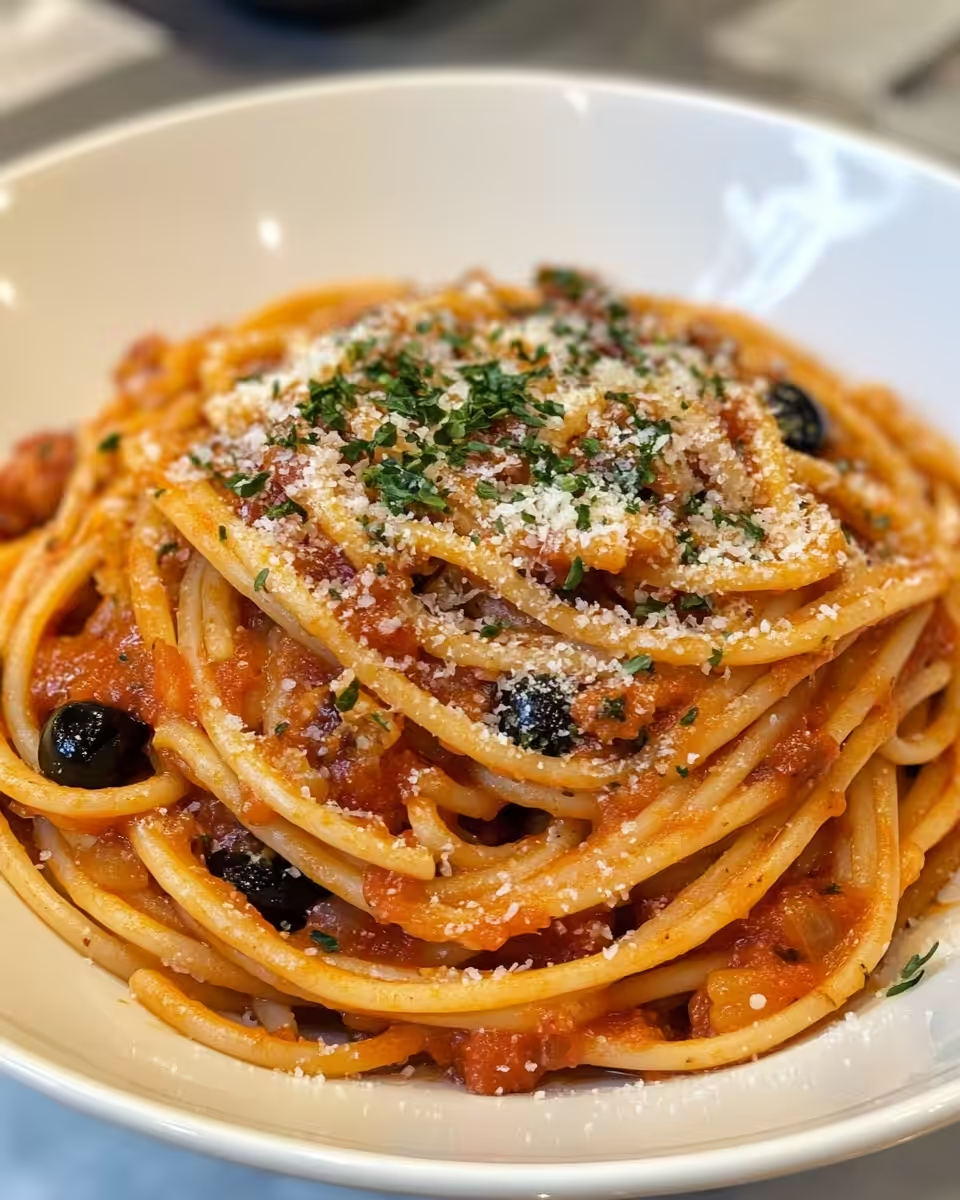
The fresh parsley lifts all those flavors up with a slight peppery freshness. Every bite tastes like the whole kitchen got involved, but really it’s just you and your pressure cooker.
You remember it’s fast, fuss-free, and heck it tastes like you spent hours slaving away. This Pasta Puttanesca’s gonna be a regular in your meals, you’ll see.
Your Leftover Strategy Guide
If you got leftovers (which sometimes happens but rarely), store ’em right to keep flavors good. First, pop the pasta and sauce in an airtight container and keep it in your fridge. It’ll keep well up to 3 days.
When reheating, add a splash of water or olive oil before warming it up to keep pasta from drying out. You can reheat on stove or microwave, just watch for that steam cues so it gets hot evenly.
For longer storage, toss your pasta in sealed freezer bags and freeze. For best taste, eat within 2 months and thaw overnight in fridge. Leftovers still make a tasty lunch or quick supper the next day.
Everything Else You Wondered About
- Q How do I know when the pressure cooker is fully sealed?
A You’ll see the float valve pop up and hear the valve hiss. Also, no steam escapes except from the valve during cooking. - Q Can I use regular spaghetti or do I need special pasta?
A Regular spaghetti works just fine. Just cook it al dente before tossing it with sauce. - Q What if my sealing ring smells weird?
A Sometimes the sealing ring holds smells. Try washing it well or replacing if smells don’t go away—it’s important for pressure to work right. - Q Can I make this dish spicy?
A Totally! Add more red pepper flakes or toss in some chopped fresh chili peppers when you add garlic. - Q What’s the best olive type for this recipe?
A Kalamata olives work great cause they’re flavorful and not too salty. You want pitted and roughly chopped so it blends in nicely. - Q How do I clean my pressure cooker after making sauce?
A Usually soak the pot in warm soapy water and wipe the sealing ring well. Be sure no bits get stuck cause they can cause leaks next time.
Pressure cooking tips and related recipes such as Garlic Mushroom Pasta and Enchilada Pasta might inspire you to make even more tasty meals under pressure.
Pasta Puttanesca in Your Pressure Cooker
Equipment
- 1 Pressure cooker
Ingredients
Main Ingredients
- 28 ounce whole peeled San Marzano tomatoes drained
- 0.25 cup extra-virgin olive oil
- 1 shallot finely chopped (⅓ cup)
- 0.25 teaspoon sea salt
- 3 clove garlic finely chopped
- 0.25 teaspoon red pepper flakes
- 2 tablespoon capers
- 0.5 cup pitted kalamata olives roughly chopped
- 12 ounce spaghetti pasta
- 0.25 cup chopped fresh parsley plus more for garnish
Instructions
Instructions
- Bring a large pot of salted water to a boil and cook spaghetti according to package directions until al dente. Drain and set aside.
- Heat olive oil in a skillet over medium heat. Add shallots and sea salt; cook 2-3 minutes until translucent.
- Add garlic and red pepper flakes; stir for 30 seconds until aromatic.
- Add drained San Marzano tomatoes and break them up with a spoon. Simmer for 10 minutes, stirring occasionally.
- Stir in capers and chopped kalamata olives. Cook for an additional 5 minutes.
- Add cooked spaghetti to the skillet and toss to coat evenly with the sauce.
- Mix in chopped parsley. Taste and adjust salt if needed.
- Serve hot, garnished with additional fresh parsley if desired.
- Store leftovers in an airtight container in the fridge for up to 3 days.