The pot lid rattles and you know dinner is almost ready. That little shake is like a tell telling you that the flavors are mixing good inside, turning your kitchen into a cozy spot you just wanna dive into. You catch that little hiss of the steam right at the float valve and it lets you know the pressure cooking is doing its thing.
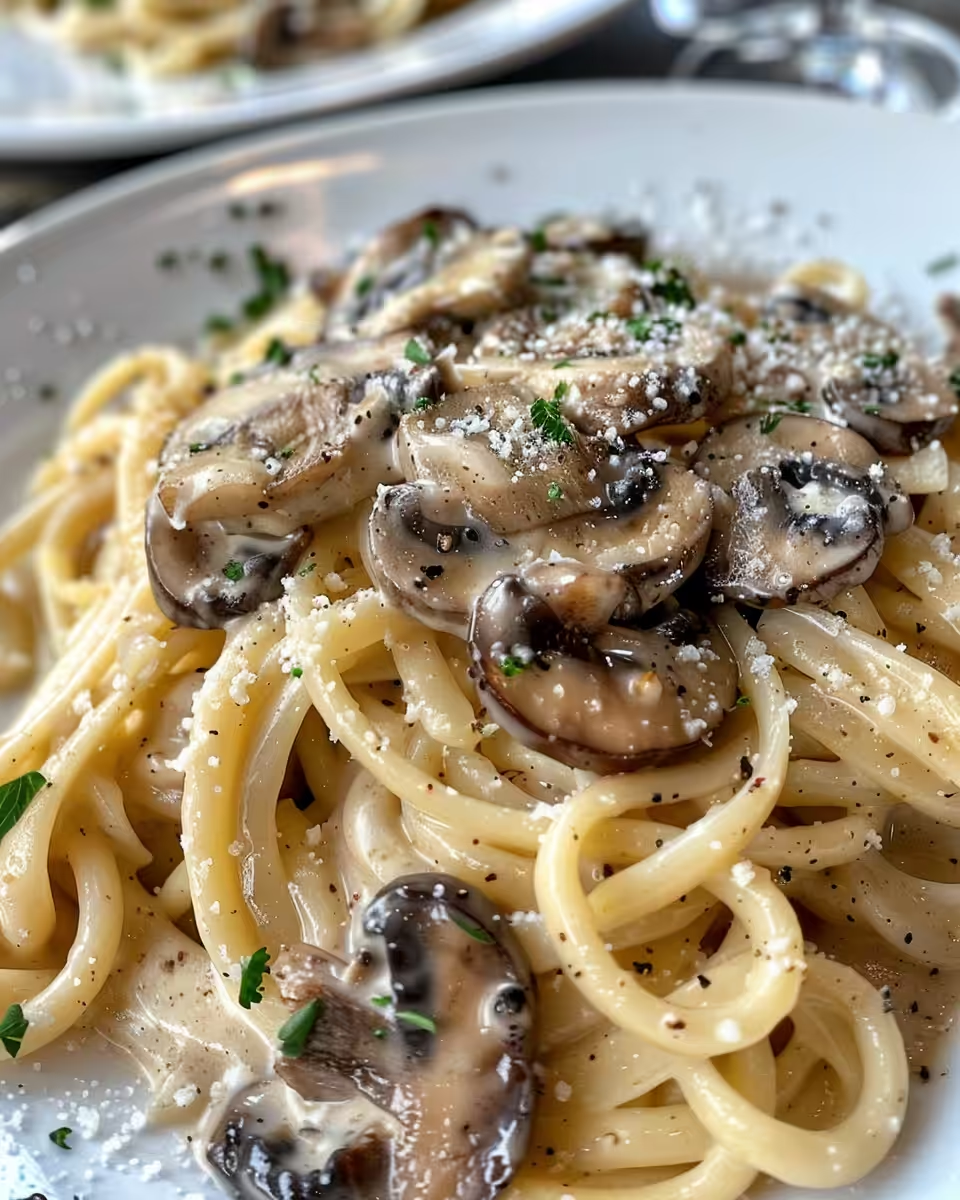
You gotta love how fast your pressure cooker gets pasta creamy and tender. It’s like you can almost smell those sundried tomatoes mingling with the cheeses as the steam builds up. Your belly starts to rumble and you remember all the other meals waiting to be made when you got this pot doing the heavy lifting.
And dang, when they pop that float valve back down and the hiss dies away, that’s your cue to open the lid soon. You do it slow, careful to catch that wave of hot steam coming out and you know you’re about to get sucked right into that creamy Tuscan goodness. It’s kinda like a dinner hug, all melted and warm.
The Truth About Fast Tender Results
- The float valve rising means your cooker reached full pressure, so the intense heat is working to cook the pasta shells just right.
- Watching the valve hiss is your sign that steam’s escaping properly, keeping the pressure steady and things cooking evenly.
- Use the sealing ring well oiled so no steam leaks out, which could dry your sauce or mess the cooking time.
- Keep your broth depth in mind. The liquid has gotta be just enough to cover pasta partly but not drown it, good for that creamy sauce texture.
- Don’t rush the natural release too fast or you’ll end up with pasta kinda mushy. Slow changes in pressure keep the texture real solid and tender.
Your Simple Ingredient Checklist
- 2 cups milk, I like 1% so it’s light but creamy
- 1 cup heavy cream for that rich, smooth sauce base
- 1 teaspoon hot sauce, like Frank’s, it adds zip without heat
- ½ teaspoon each of oregano, basil, onion powder, garlic salt, mustard powder, parsley
- ¼ teaspoon smoked paprika and a pinch of red pepper flakes for those subtle smoky hints
- 1 pound medium pasta shells, perfect shape for holding all that cheese and sauce
- Butter and oil from sundried tomatoes to sauté your garlic and boost flavor
- Lots of cheese: 2 cups cheddar, ½ cup mozzarella, and ¼ cup Parmesan shredded for melty mix
- 10 ounces of sundried tomatoes and 2 cups packed baby spinach to freshen it up and add texture
These ingredients blend classic Tuscan flavors with cozy mac cheese vibes. You remember to grab stuff that melts real good and herbs that give it those Italian feels.
Your Complete Cooking Timeline
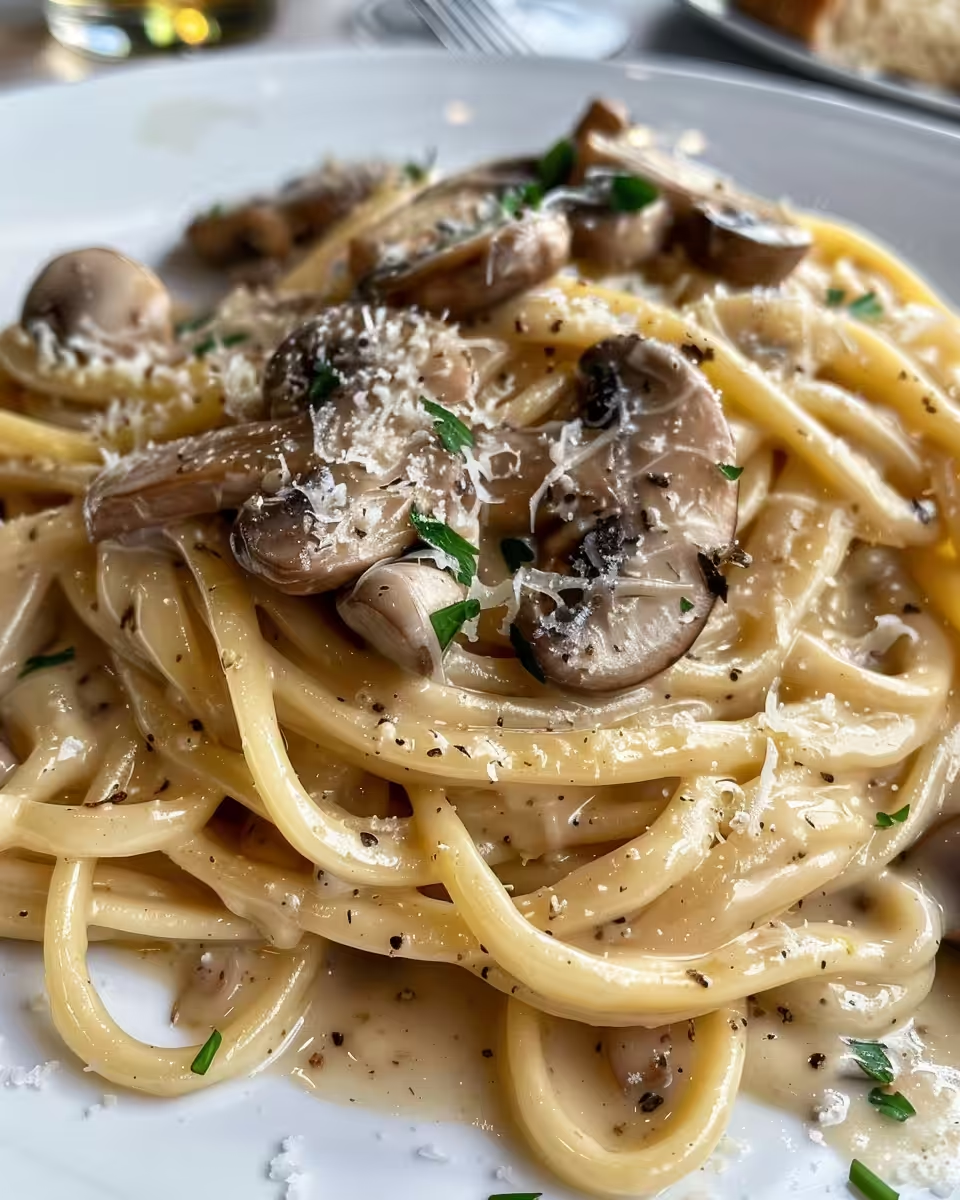
- Cook pasta shells on the stove until al dente, then drain and set aside. You want them ready but firm so they soak sauce instead of getting mushy.
- Melt the butter in a big pan set on medium heat. Toss in the minced garlic and stir until it smells amazing, about a minute.
- Pour in milk, heavy cream, and hot sauce. Stir it up good with all those dried spices you picked out. This blend is your creamy sauce base.
- Heat the mix until it starts to simmer gently. Keep stirring so it doesn’t stick or burn and you see it thickening a bit.
- Add your cooked pasta shells to the sauce. Mix well so every bit gets coated with that herb and cheese goodness.
- Put the sundried tomatoes and spinach in last. They add big flavor and keep the dish fresh and colorful.
- Let it all cook together on low for 2-3 minutes so pasta soaks up the sauce flavors and the cheese melts real good.
- Serve hot right from the pot, maybe sprinkle extra parsley if you’re feeling fancy, and get ready to dig in.
Valve Hacks You Need to Know
- When your float valve pops up, it’s easiest to wait a minute before cooking time starts. It helps you get your timing right so noodles don’t get too soft.
- No sealing ring or it’s worn out Remember to replace it. Otherwise, steam leaks out and brothy sauce can dry or burn.
- If that valve hiss starts to sound weak and uneven, lower the heat a bit. Keeps pressure steady without overcooking your mac and cheese.
- For quick releases, wrap a towel over the valve to catch hot steam safely and avoid burns. Safety first!
What It Tastes Like Fresh From the Pot
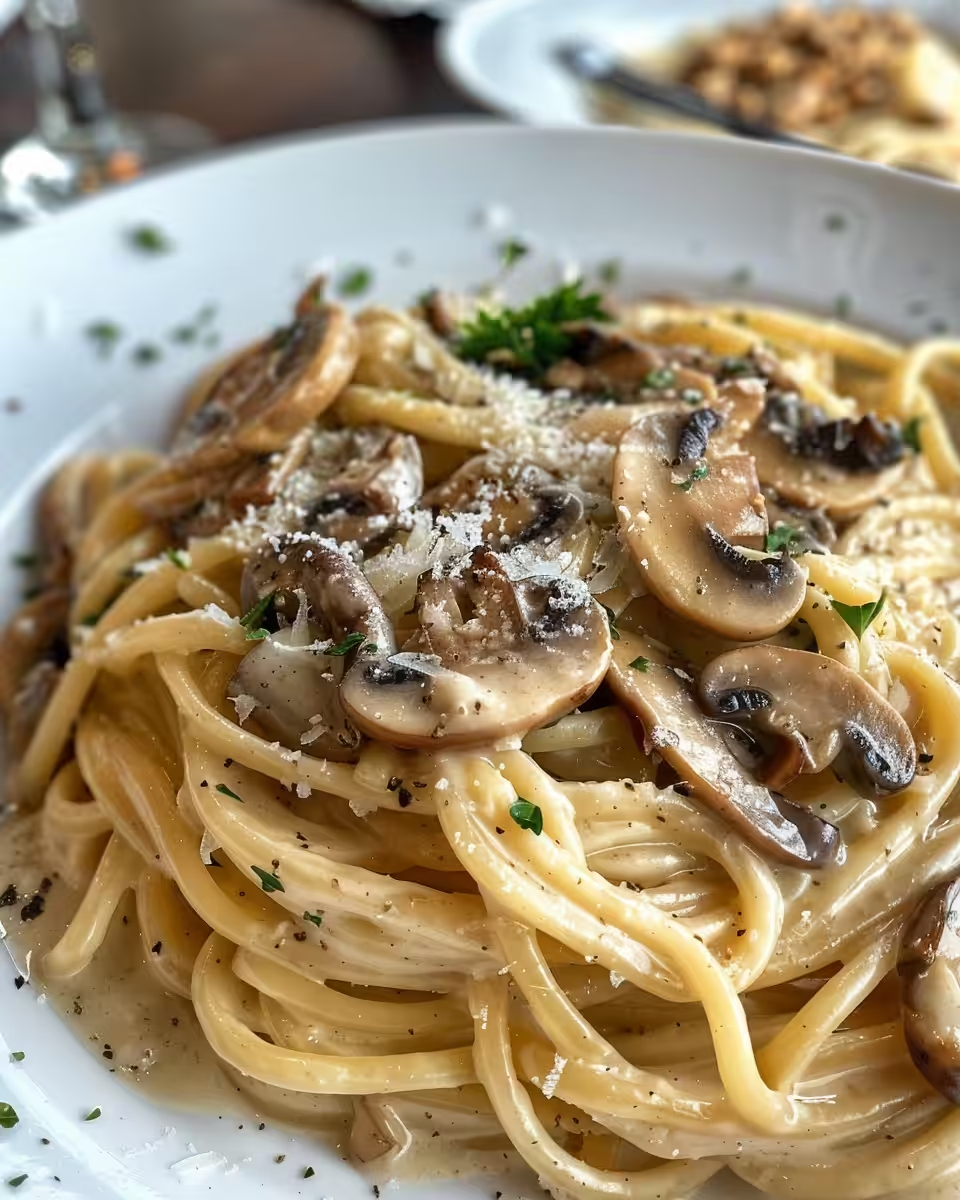
You catch the first bite and the creamy sauce just melts in your mouth. It’s smooth, rich, and full of those savory Tuscan herbs that kinda dance on your tongue. The cheddar and mozzarella pull together that classic mac and cheese vibe but with a bright tomato twist.
The sundried tomatoes add a slightly chewy, tangy surprise that balances the creamy texture perfectly. Then that hint of smoked paprika and red pepper flakes sneaks in, giving just a little warmth without overpowering the flavors.
The spinach adds a fresh burst that keeps every bite lively, making you crave just one more spoonful, and another. It’s that comforting meal that feels fancy but is totally simple and quick to make in your pressure cooker.
How to Store This for Later
Let your mac and cheese cool a bit before you think about storing it. This way, the creamy sauce stays smooth and won’t turn weirdly gelatinous.
If you wanna stash some for the fridge, put it in an airtight container and it’ll last a few days, about 3-4. When reheating, add a splash of milk and stir gently on the stove to bring back that creamy texture.
For longer storage, freeze your Tuscan mac and cheese in a freezer-safe dish. Thaw it overnight in the fridge and warm it up slow on the stove or in the oven. That slow heat helps keep it from getting dry or grainy.
The FAQ Section You Actually Need
- Can I use other pasta shapes? Totally. Medium shells are perfect but penne or rotini work well too, just keep the cooking time close.
- What if I don’t have sundried tomatoes? You can skip them or swap in roasted red peppers for a different kinda smokey sweetness.
- Is this recipe spicy? Nope not really. The hot sauce and red pepper flakes give it a zing but no real heat unless you add more.
- Can I make it dairy-free? You could try using coconut milk or oat milk and a dairy-free cheese, but texture will change a bit.
- Why did my pasta get mushy? Too much time or pressure can do it. Watch the float valve and use natural release to keep noodles firm but tender.
- How do I know when the sealing ring needs replacing? If it’s cracked, brittle, or causes steam to leak you gotta swap it out. Keeps pressure cooking working great and safe.
For more quick and delicious pressure cooker recipes, check out our Creamy Garlic Shrimp and Rice Skillet, Classic Broccoli Salad, and Creamy Steak Pasta – Ready in 30 Minutes for more easy and tasty meals that fit your busy life.
Tuscan Mac and Cheese Pressure Cooker Recipe
Ingredients
Main ingredients
- 2 cups milk I use 1%
- 1 cup heavy cream rich, smooth sauce base
- 1 teaspoon hot sauce like Frank's
- ½ teaspoon each oregano, basil, onion powder, garlic salt, mustard powder, parsley
- ¼ teaspoon smoked paprika subtle smoky hints
- 1 pinch red pepper flakes for warmth
- 1 pound medium pasta shells perfect shape for holding sauce
- 2 tablespoons salted butter for sautéing
- 1 tablespoon oil from sundried tomatoes
- 3 cloves garlic minced
- 2 tablespoons flour
- 1 tablespoon tomato paste or 1 additional tablespoon flour if needed
- 10 ounces sundried tomatoes
- 2 cups cheddar cheese shredded
- ½ cup mozzarella cheese shredded
- ¼ cup Parmesan cheese shredded
- 2 cups baby spinach packed, whole or roughly chopped
Instructions
Instructions
- Cook pasta shells on the stove until al dente, then drain and set aside.
- Melt the butter in a big pan set on medium heat. Toss in the minced garlic and stir until it smells amazing, about a minute.
- Pour in milk, heavy cream, and hot sauce. Stir it up good with all those dried spices you picked out.
- Heat the mix until it starts to simmer gently. Keep stirring so it doesn’t stick or burn and you see it thickening a bit.
- Add your cooked pasta shells to the sauce. Mix well so every bit gets coated with that herb and cheese goodness.
- Put the sundried tomatoes and spinach in last. They add big flavor and keep the dish fresh and colorful.
- Let it all cook together on low for 2-3 minutes so pasta soaks up the sauce flavors and the cheese melts real good.