That first hiss from the cooker tells you something good is happening. You know that sound means your pressure cooker’s sealing ring is working hard, trapping all that steam inside to get your corned beef tender and juicy. It’s like a signal that your kitchen’s about to smell amazing real soon.
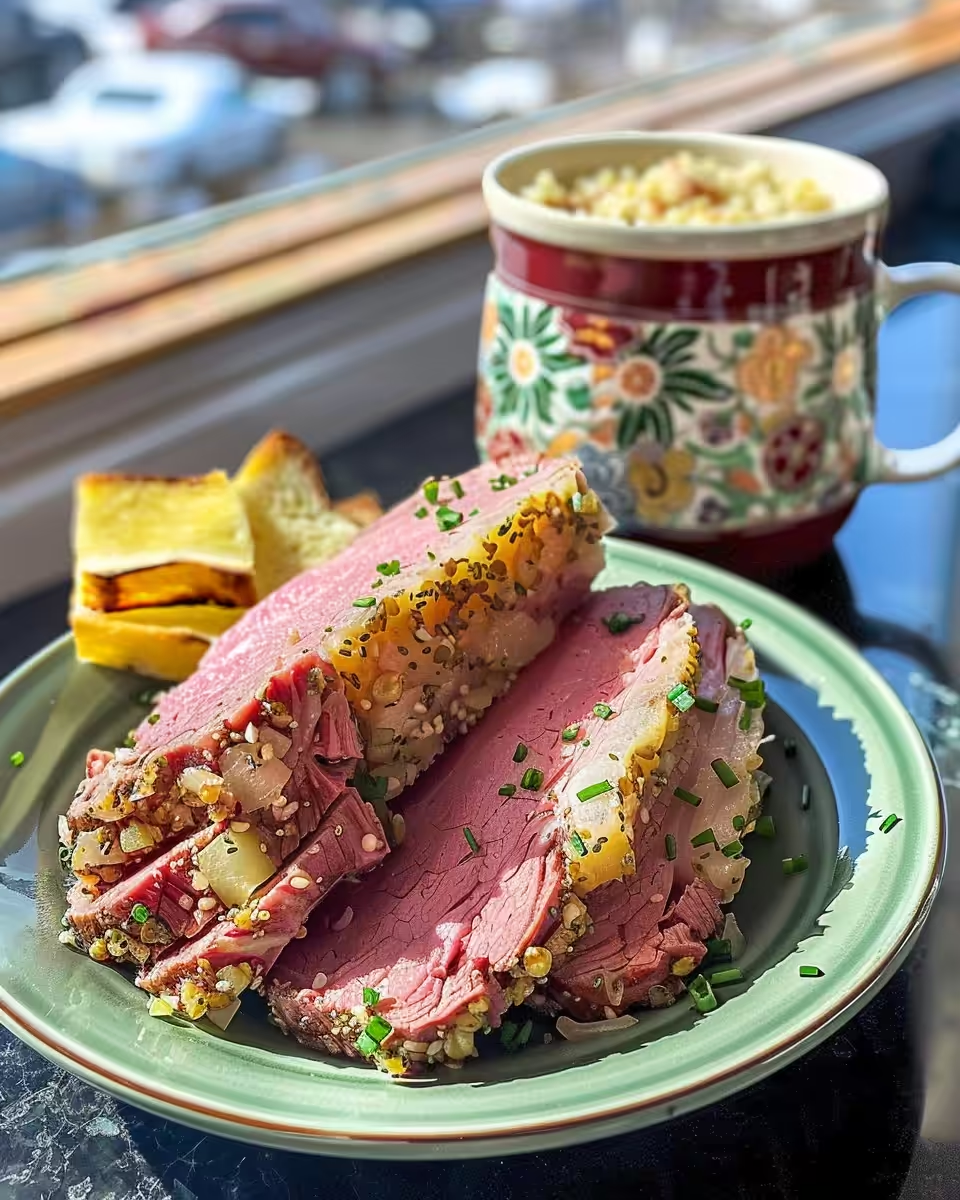
You can catch the little steam cues as the valve hisses softly and you remember why you picked pressure cooking to start with. You don’t gotta wait all day when this method locks in flavors and speeds up cooking. It’s that tender pull at the end, when you slice the brisket juicy and perfect that really makes you smile.
It’s kinda cool how a pressure cooker turns what usually takes hours into a shorter journey. The veggies soak up the broth rich with lager beer and beef stock, while your kitchen fills with that warm homely aroma. Soon as you hear the natural release finish, you know it’s time to get ready to serve up something special.
What Makes Pressure Cooking Win Every Round
- You lock in flavors way better than other cooking methods. Try our One Pan Creamy Garlic Shrimp for a fast and flavorful pressure cooker dish.
- The sealing ring keeps all the moisture and steam trapped inside. If you want a fresh salad after, check Classic Broccoli Salad for a perfect side.
- Meals cook way faster while staying juicy and tender.
- Pressure cookers are super hands-off, freeing you up for other stuff like prepping a quick Easy Chicken Caesar Pasta Salad.
- The steam cues like the valve hiss tell you when it’s working right.
- Natural release helps the meat rest just enough to stay juicy.
- It saves your energy and kitchen gets less hot compared to slow ovens.
Your Simple Ingredient Checklist
- 1 large onion - cut into large dice so it holds up well in cooking.
- 6 carrots - peeled and chopped into big chunks to keep a nice bite.
- 4 celery stalks - thick chunks add subtle flavor and texture.
- 3-4 pounds corned beef brisket - with that seasoning packet included, drained first so you avoid weird saltiness.
- 4 cups unsalted beef stock - your broth base adds depth and moisture.
- 12 ounces lager beer - gives a rich hearty flavor, though water or a dark soda like Coke could work in a pinch.
- Optional salt and pepper to finish adjustment after cooking because the seasoning packet usually does its job well.
- Some fresh parsley or mustard on the side could bring a nice pop when plating.
- You’ll want some good sides so think about your favorites like potatoes or cabbage too.
The Full Pressure Cooker Journey
Start by tossing your onion, carrots, and celery into the bottom of your slow cooker. These veggies form a tasty bed for the brisket and keep it from sticking.
Next, place your corned beef brisket right on top of the veggie pile. Don’t forget to add that seasoning packet because it’s the secret behind that classic flavor.
Pour in your beef stock and lager beer over the brisket. This combo moistens everything up and gives long slow flavors a boost inside the cooker.
Seal the lid tight, making sure your pressure cooker’s sealing ring is in the right spot. Set it to low and cook for 8 to 10 hours. This slow method lets all those flavors mingle without rush.
When the timer’s up and you hear that satisfying valve hiss, switch off the cooker. Allow your meat to go through a natural release. This means you don’t pop open the valve too fast and let the juices settle.
Carefully remove your brisket and let it rest a few minutes before slicing. That tender pull you’re looking for happens right in that moment where the meat relaxes and keeps all its juices.
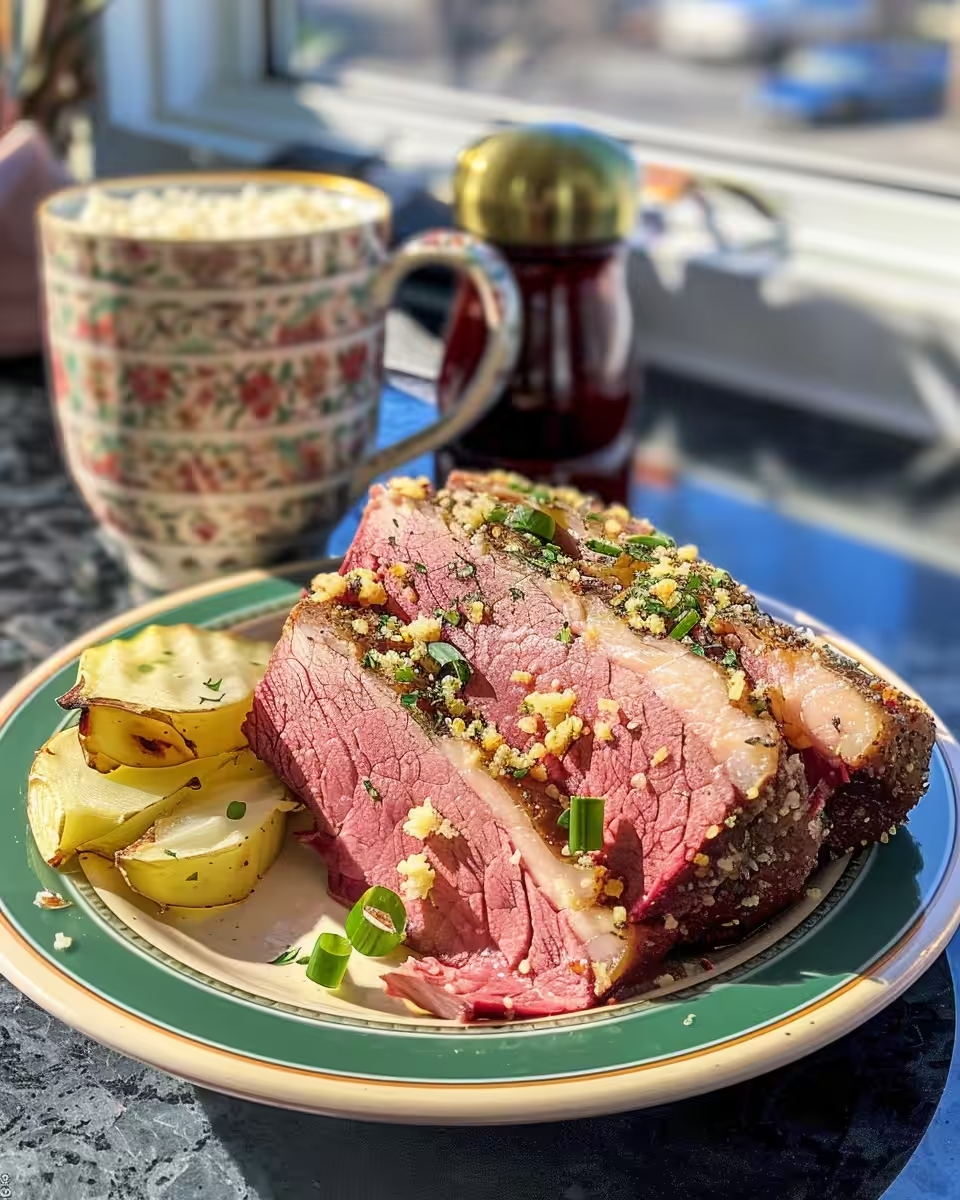
Don’t forget to plate with the carrots and celery from the pot. The broth left behind makes a nice drizzle or dipping sauce. This whole process works real good for hearty meals that impress without extra fuss.
Time Savers That Actually Work
- Prep your veggies ahead - chopping onions, carrots, and celery the night before cuts down morning hassle. See our tips in Classic Broccoli Salad for quick prep ideas.
- Use frozen beef stock cubes - boosts flavor and you just thaw what you’ll need straight to the pot.
- Keep your pressure cooker clean and ready - a fresh sealing ring and clean valve mean you don’t lose time fixing leaks or slow cooks.
The Flavor Experience Waiting for You
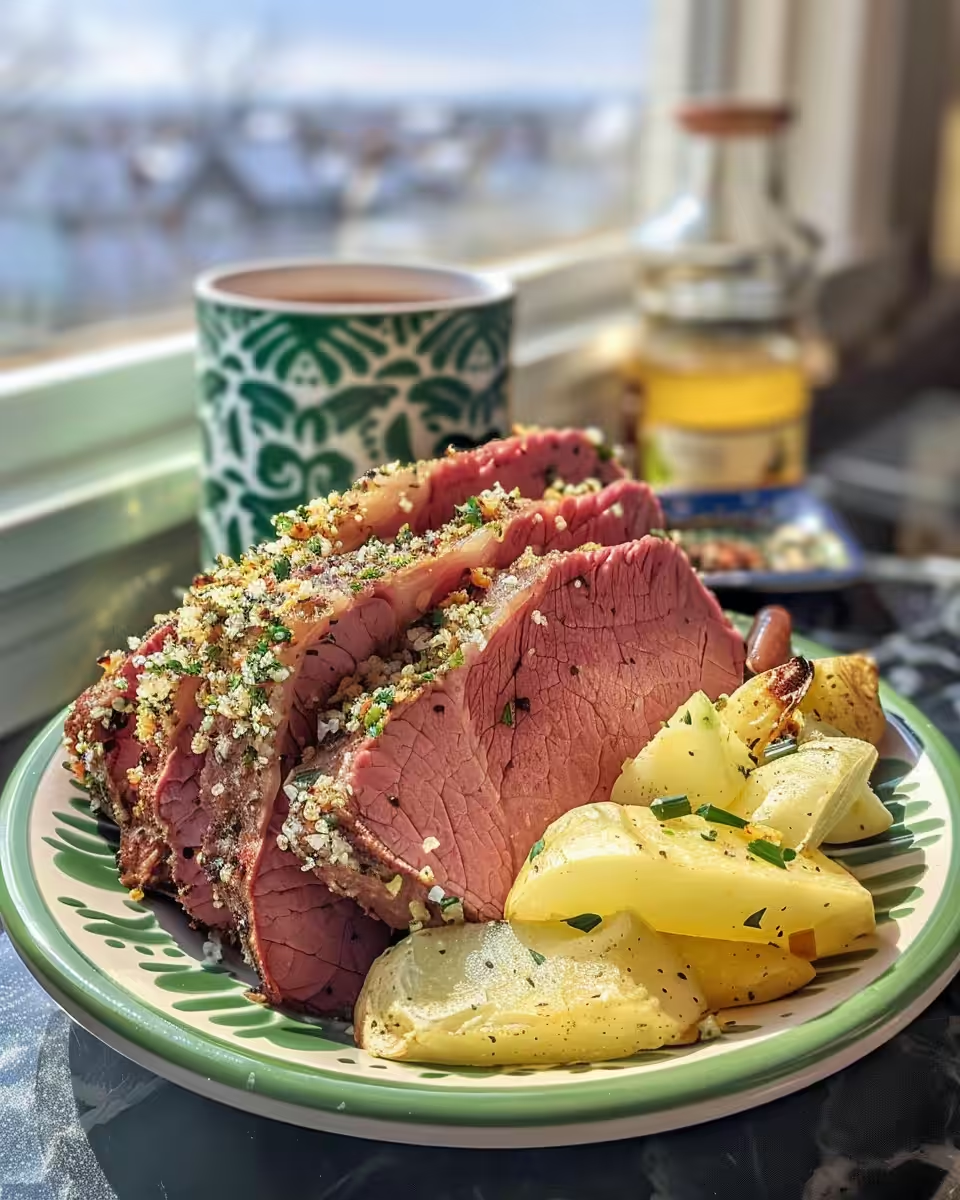
When you slice into that slow cooked corned beef, you get this deep, hearty richness that kinda wraps your taste buds in comfort. The lager beer and beef stock add layers that make every bite interesting.
The carrots and celery soaked in those juices soften just right with a natural sweetness balancing the salty meat. You catch little bursts of onion flavor that are mellow but totally essential.
It’s more than just a meal, it’s a craving you’ll want again soon. The tender pull as you cut tells you the meat’s been cooked slow enough to melt all that connective tissue away.
You’ll notice how the broth left behind kisses the veggies and the plate. A spoonful of that when you eat? It’s like a cozy hug from the inside out.
Smart Storage That Actually Works
- Cool your leftovers - let the corned beef and veggies come to room temp before packing them into airtight containers.
- Refrigerate up to 4 days - keep things fresh but don’t let the flavors get lost by eating sooner rather than later.
- Freeze for longer storage - slice your brisket and pack with some broth in freezer bags to keep it moist when reheated.
- Reheat gently - using low heat or steam keeps that tender pull and stops the meat from drying out.
The FAQ Section You Actually Need
- Can I swap lager beer for something else? Yeah, you can use water, dark soda like Coke, or just more beef stock if you prefer. The beer adds a bit more depth but it’s not a must-have.
- Do I have to use the seasoning packet? It’s definitely easier but if you wanna mix your own spices go for it. Just remember the corned beef’s already salty.
- What if my pressure cooker doesn’t have a slow cook setting? You can cook on the pressure setting but reduce the time. Just watch your sealing ring and steam cues closely so you don’t overcook.
- How do I know when natural release is done? Usually the steam stops hissin’ and the valve drops. It’s kinda like the cooker’s telling you it’s ready.
- Can I add potatoes? Sure thing! Add them partway through cooking if you don’t want them mushy. Frozen potatoes work but keep an eye on texture.
- Is pressure cooking healthier? For real, it keeps nutrients locked in better than boiling in lots of water. Plus it uses less energy since it’s faster.
For More Pressure Cooker Inspiration
Try out our other delicious recipes like One Pan Creamy Garlic Shrimp, Classic Broccoli Salad, or the Easy Chicken Caesar Pasta Salad for quick, flavorful cooking that fits your busy life.
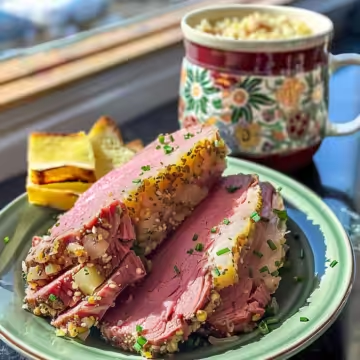
Slow Cooker Corned Beef
Equipment
- 1 Pressure Cooker Ensure the sealing ring is in place
Ingredients
Main Ingredients
- 1 large onion cut into large dice so it holds up well in cooking
- 6 carrots peeled and chopped into big chunks to keep a nice bite
- 4 celery stalks thick chunks add subtle flavor and texture
- 3-4 pounds corned beef brisket with that seasoning packet included, drained first so you avoid weird saltiness
- 4 cups unsalted beef stock your broth base adds depth and moisture
- 12 ounces lager beer gives a rich hearty flavor, though water or a dark soda like Coke could work in a pinch
Instructions
Instructions
- Start by tossing your onion, carrots, and celery into the bottom of your slow cooker. These veggies form a tasty bed for the brisket and keep it from sticking.
- Next, place your corned beef brisket right on top of the veggie pile. Don’t forget to add that seasoning packet because it’s the secret behind that classic flavor.
- Pour in your beef stock and lager beer over the brisket. This combo moistens everything up and gives long slow flavors a boost inside the cooker.
- Seal the lid tight, making sure your pressure cooker’s sealing ring is in the right spot. Set it to low and cook for 8 to 10 hours. This slow method lets all those flavors mingle without rush.
- When the timer’s up and you hear that satisfying valve hiss, switch off the cooker. Allow your meat to go through a natural release. This means you don’t pop open the valve too fast and let the juices settle.
- Carefully remove your brisket and let it rest a few minutes before slicing. That tender pull you’re looking for happens right in that moment where the meat relaxes and keeps all its juices.