The pot lid rattles and you know dinner is almost ready. You catch that familiar valve hiss and feel your kitchen fill with hearty aroma. This isn’t just any chicken soup, it’s your anti inflammatory turmeric chicken soup, and it’s gonna warm you up real nice.
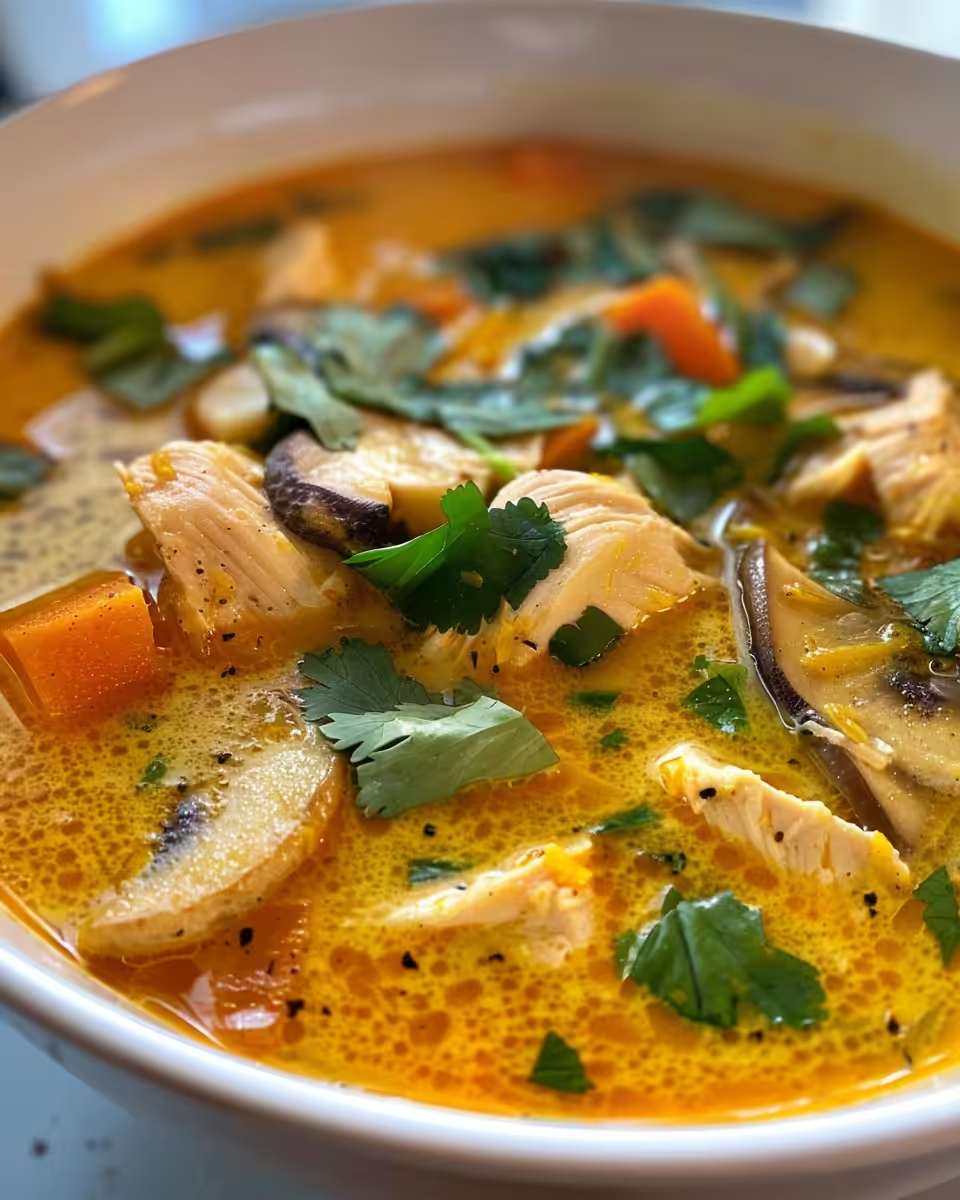
You spot the golden color from the turmeric swirling in the broth, promising that deep savory flavor you crave after a long day. The steam cues make you wanna dig in right now, but patience, the soup’s gotta reach its full body and soul first.
You recall how you tossed in those carrots, celery, and that fresh parsley you grabbed this morning. This soup’s rich but wholesome; it's not just some quick fix, it’s comfort right in your pressure cooker pot, ready to heal and fill you up.
What Makes Pressure Cooking Win Every Round
- You save a ton of time. Pressure cooking cuts down those long simmer hours fast.
- Broth depth develops quick thanks to all that consistent steam and heat inside the sealed pot.
- Retention of nutrients is way better because you’re not boiling everything away for too long.
- Once the float valve lifts, you know exactly when it’s done, no guessing.
- Sealing ring keeps all that moisture locked in, making your soup super flavorful and juicy.
- You get to free up your stove top and still make a hearty meal without babysitting the pot.
Everything You Need Lined Up
- Olive oil for sautéing your veggies. Ghee or coconut oil works just as well.
- Onion, leeks (if you got 'em), and garlic. These aromatics bring that fragrant base.
- Carrots and celery, classic chicken soup staples bringing in sweetness and crunch.
- Boneless, skinless chicken thighs or breasts, whatever you prefer or got on hand.
- Turmeric and poultry seasoning to kick up flavor and those anti inflammatory vibes.
- Chicken broth for the rich liquid base. Vegetable broth works too if you wanna switch it up.
- A can of coconut milk for creaminess and some beneficial fats.
- Frozen peas for that pop of color and fresh taste, or swap for baby spinach or kale.
- Fresh parsley chopped up for a bright herbaceous finish.
- Kosher salt and black pepper for seasonin' to taste once it’s all together.
How It All Comes Together Step by Step
- First up, heat your pressure cooker insert on sauté mode with a good drizzle of olive oil. Add chopped onion, leeks, carrots, and celery with a sprinkle of salt. Stir and cook until leeks soften and veggies start to caramelize, about 14 to 16 minutes. You’re building that broth depth early on.
- Stir in the chopped garlic, turmeric, and poultry seasoning. Give it another 2 to 3 minutes so the spices get fragrant, don’t rush this or you’ll miss that punch.
- Add chicken broth, coconut milk, and raw chicken pieces right into the pot. Scrape up any brown bits stuck to the bottom to capture all that flavor. Make sure your chicken’s fully submerged.
- Seal the lid and set your pressure cooker to cook on high for about 15 minutes. Watch for the float valve pop up, then let the steam hiss do its thing.
- Once time’s up, do a natural pressure release for 10 minutes. The slow release helps keep that coconut milk from splitting and veggies intact.
- Remove the lid carefully, then fish out the chicken onto a cutting board. Shred or chop it into bite-sized pieces using two forks.
- Return the shredded chicken to the pot, toss in the frozen peas and fresh parsley. Set the cooker back to sauté mode and simmer gently for about 5 minutes until peas are bright green and tender.
- Finish by tasting and seasoning with salt and pepper. Serve hot with a sprinkle of fresh parsley for that extra love.
Valve Hacks You Need to Know
- When you hear that valve hiss, you know pressure’s holding steady—don’t rush to open it.Then it’s gonna keep all those flavors locked inside.
- If you need to speed things up, carefully use a quick release but watch out for splatter, especially with thick soups like this.
- The float valve is your best friend. It only pops up when the pot’s truly at pressure, so trust that cue over timers sometimes.
- Keep your sealing ring clean and in good shape or you might lose pressure and steam, messing with your broth depth.
- Sometimes opening the lid while still sealed can cause a weird steam burst, so always make sure the float valve has dropped and no steam hiss is heard first.
What It Tastes Like Fresh From the Pot
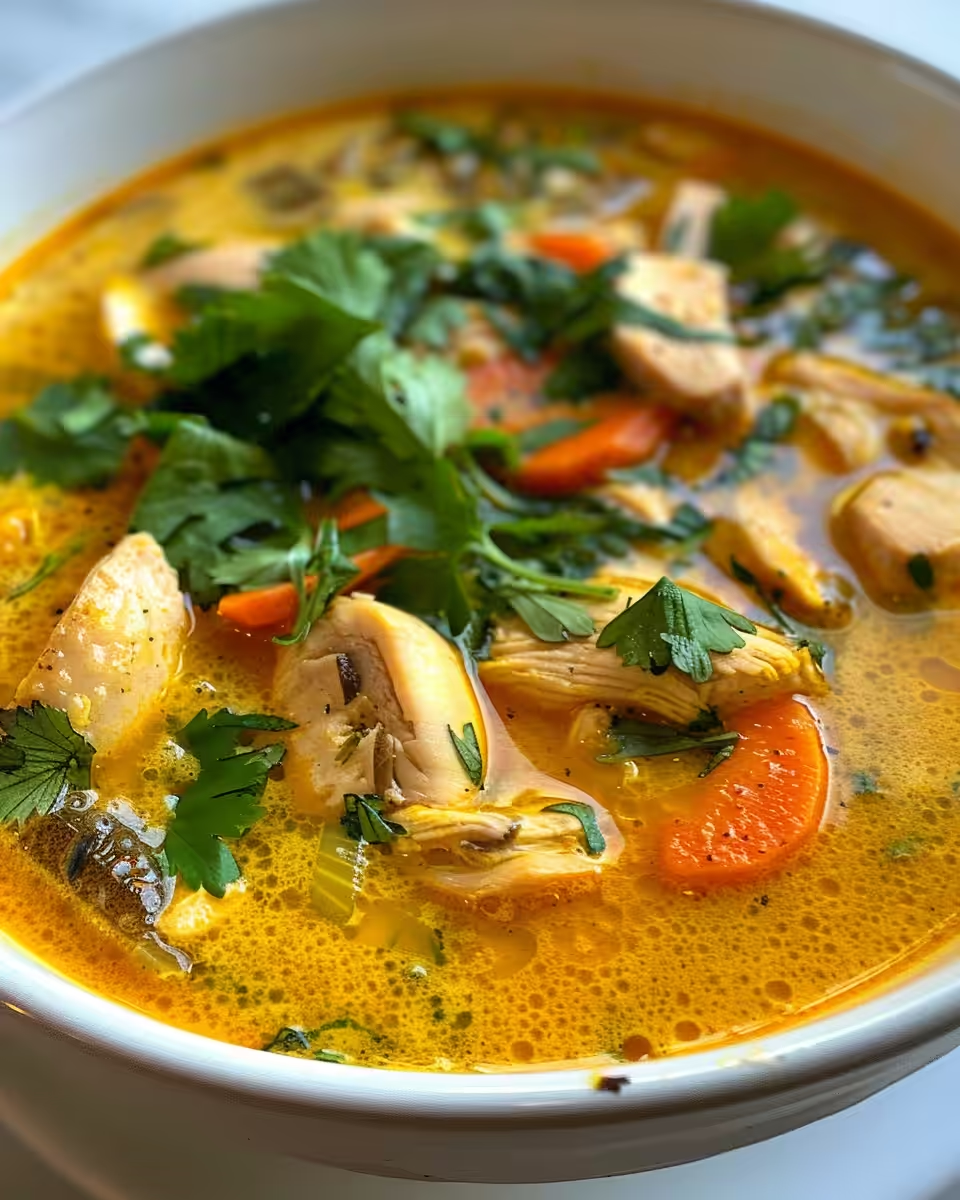
When you finally lift that lid and catch the fresh steam hitting your face you gotta love the rich yellow gold hue from the turmeric.
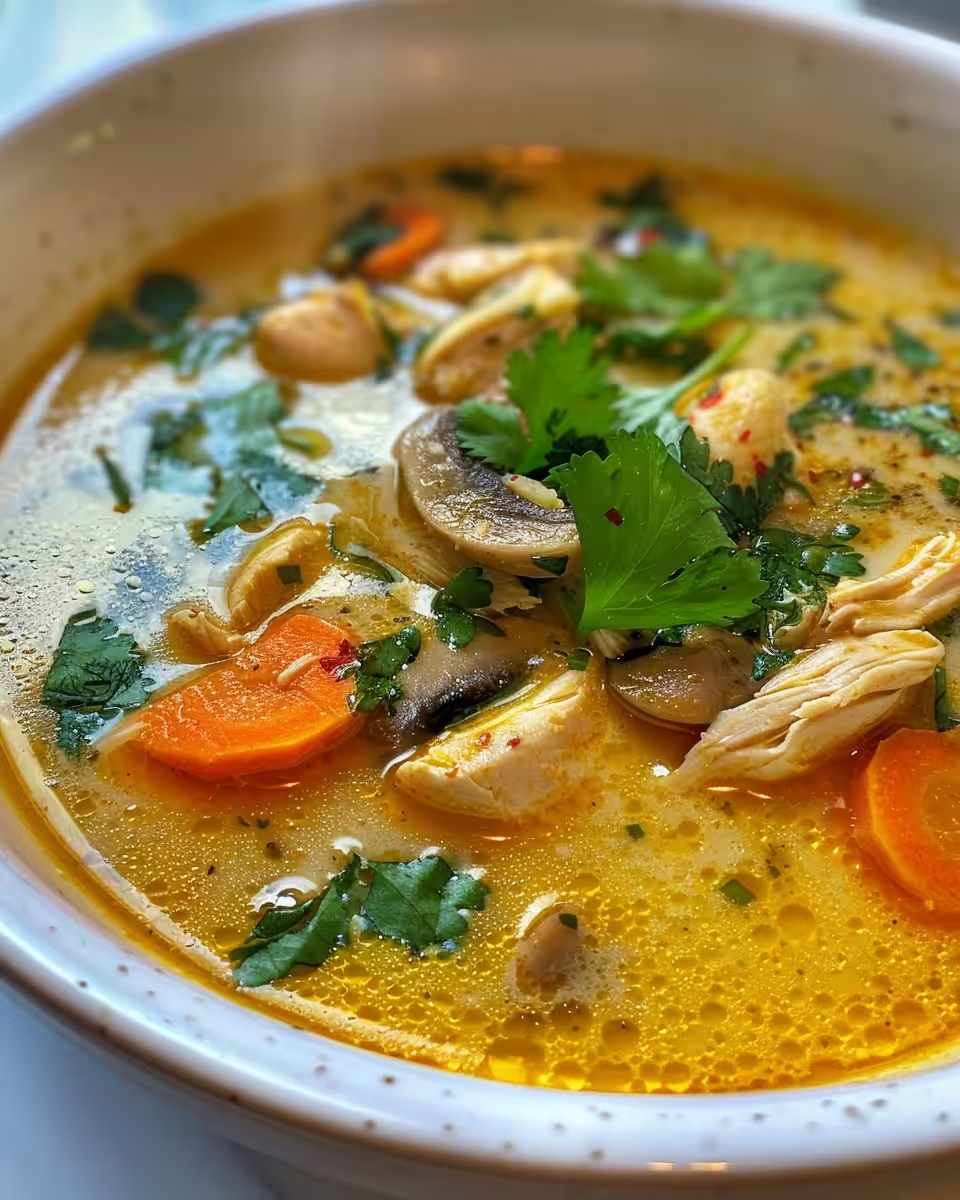
The broth is warm and smooth, with deep layers of savory veggies and that tender chicken soaking up all those flavors.
Every spoonful has a little hit of garlic and a soft pull of sweet caramelized onions and leeks lingering in the background.
The peas pop with freshness which balances nicely with the creamy coconut milk that rounds everything out without overpowering the broth.
Your Leftover Strategy Guide
- Fridge storage works best in airtight containers. Your soup stays good for up to 4 days and kinda tastes better as flavors meld overnight.
- Freezing is a solid option for longer storage. Just portion into zip locks or freezer-safe containers. Note that peas might get softer after thawing but still tasty.
- Reheating on the stove is your go-to. Warm up gently stirring often to keep the broth depth and avoid coconut milk separating. Microwave's okay but keep an eye so you don’t overdo it.
Everything Else You Wondered About
- Can I use chicken breasts instead of thighs? Yeah, breasts work fine. Just adjust cook time if using big pieces so they don’t dry out.
- What if I want it dairy free? This recipe’s already dairy free with coconut milk instead of cream, so you’re all good!
- Do I have to use coconut milk? Nope, you can skip it but the soup might be less creamy. You could try a splash of olive oil instead for richness.
- Can I add other veggies? For sure, kale, spinach, or even chopped zucchini would be great additions.
- How do I prevent my soup from getting too watery? Make sure to not add extra broth beyond what recipe calls. Also, natural pressure release helps keep everything thick.
- What’s the best way to season at the end? Taste first, then add salt and pepper gradually so you don’t overseason. Fresh herbs like parsley or cilantro bring brightness too.
For similar comforting and hearty recipes, explore our Delicious Enchilada Pasta and Balsamic Chicken recipes that offer robust flavors and easy preparation. If you're looking to add tasty snacks to your menu, the Cheesy Taco Sticks are a great choice, perfect for gatherings and quick bites. For healthy grain options, check out our Ultimate Quinoa Instant Pot Cooking Guide.
Anti Inflammatory Turmeric Chicken Soup in Your Pressure Cooker
Equipment
- 1 Pressure cooker or Instant Pot
- 1 Cutting board
- 1 Chef’s knife
Ingredients
Main ingredients
- ¼ cup Olive oil or ghee or coconut oil
- 1 Medium onion diced
- 1 Large leek white and light green parts only, halved and thinly sliced
- 3 Large carrots thinly sliced
- 3 Stalks celery thinly sliced
- 1 teaspoon Kosher salt
- 3 cloves Garlic chopped
- 1 teaspoon Turmeric
- 1 teaspoon Poultry seasoning
- 6 cups Chicken broth
- 1 can Coconut milk 13.5 ounces
- 1.25 pounds Boneless skinless chicken thighs or breasts
- 1 bag Frozen peas 10 ounces, optional
- ¼ cup Fresh parsley chopped
- 1 teaspoon Kosher salt to taste
- ½ teaspoon Black pepper
Instructions
Instructions
- Heat olive oil in your pressure cooker on sauté mode. Add onion, leeks, carrots, celery, and 1 teaspoon salt. Sauté for 14-16 minutes until leeks soften and veggies begin to caramelize.
- Stir in garlic, turmeric, and poultry seasoning. Cook for 2-3 minutes until fragrant.
- Add chicken broth, coconut milk, and chicken to the pot. Scrape up any brown bits from the bottom for extra flavor. Ensure chicken is submerged.
- Seal pressure cooker lid and cook on high pressure for 15 minutes.
- Let pressure release naturally for 10 minutes, then carefully release any remaining steam.
- Remove chicken and shred or chop it on a cutting board using two forks.
- Return shredded chicken to pot. Add frozen peas and chopped parsley. Sauté for 5 more minutes until peas are tender and bright green.
- Season to taste with salt and black pepper. Serve hot, garnished with extra fresh parsley.