That first hiss from the cooker tells you something good is happening. You’re standing by, waiting on that little valve to whistle like it means business. You already know you’re in for some serious comfort food vibes when the pressure starts to build up. It’s kinda like the whole kitchen knows something good’s on the way.
Once it hits pressure, you feel like you’re ahead of the game. Like the soup is cooking itself while you get a moment to breathe. You catch the steam escaping just right and you know this is gonna be tender pull city for your chicken and veggies.
It’s that hiss that tells you the soup’s soaking up all those flavors quicker than you’d expect. You don’t gotta wait around all day, and still get that slow-cooked taste. Dang, it makes the whole cooking thing feel less like a chore and more like a quick win.
What Makes Pressure Cooking Win Every Round
- Speeds up cooking time without losing flavor
- Keeps the chicken juicy and veggies perfectly tender
- Locks in all those natural juices and herbs
- You get a tender pull on the meat that’s just right, not dry
- Easy cleanup since it all cooks in one pot
Pressure cooking really gives you a win when you want soup fast but don’t wanna give up the layers of flavor you'd get from long simmering. It’s all about working smarter, not harder.
Your Simple Ingredient Checklist
- 1 tablespoon butter
- ½ cup onion finely diced
- 2 carrots peeled, halved lengthwise and sliced
- 2 stalks celery thinly sliced
- 2 teaspoons minced garlic
- 3 cups cooked chicken shredded or cubed
- Salt and pepper to taste
- 15 ounce can diced tomatoes do not drain
- 8 ounce can tomato sauce
- 1 teaspoon Italian seasoning
- 6 cups chicken broth
- 1 large Russet potato peeled and cut into ½ inch cubes
- ½ cup frozen corn
- ½ cup diced green beans fresh or frozen
- 2 tablespoons chopped fresh parsley
You don't gotta measure every tiny bit other than what’s up there. This mix keeps the soup bright and hearty. The garlic and Italian seasoning bring in that savory depth, while the tomato sauce and diced tomatoes give it body with a fresh tang.
Potatoes and corn add warmth and bite, green beans give a fresh snap, and chicken broth pulls it all nice and smooth together. Butter and onions start your flavor base rich and soft.
The Exact Process From Start to Finish
- Melt the butter in your pressure cooker pot over medium heat. Let that butter get all melty and ready for action.
- Add the onion, carrots, and celery. Cook for about 5 to 7 minutes until those veggies start getting soft and you can smell 'em. They should look kinda translucent.
- Stir in minced garlic and cook for 1 minute more until you get that fragrant smell sneaking up on you.
- Dump in your cooked chicken, diced tomatoes with juice, tomato sauce, Italian seasoning, salt, and pepper. Stir it all up so everything’s cozy.
- Pour in your chicken broth, enough to just cover the ingredients, usually 4 to 5 cups. Give a gentle stir.
- Seal the lid, set your valve up and bring the cooker to high pressure. Once you hear that valve hiss, do a quick release or natural release depending how tender you want the veggies. Usually 7 to 8 minutes under pressure gets a good tender pull on the chicken and soft veggies.
When you open that lid, give it a stir. Taste to see if you need more salt or pepper. Sprinkle fresh parsley on top for a bit of brightness, and you’re good to go!
Valve Hacks You Need to Know
- If you want your veggies extra soft, do a natural release to let the pressure come down slowly.
- Quick release works real good when you wanna stop cooking fast to keep veggies crisp.
- When the valve hiss starts, watch it closely so you can switch from heat to release at just the right moment.
- If your pressure cooker has multiple levels, use medium pressure for soup to avoid breaking apart veggies too much.
- Don't forget to always check that your valve is clean and free before starting — safety first and no hassle.
These hacks make the whole cooking process a bit smoother and keep your soup from turning into mush or underdone mess.
When You Finally Get to Eat
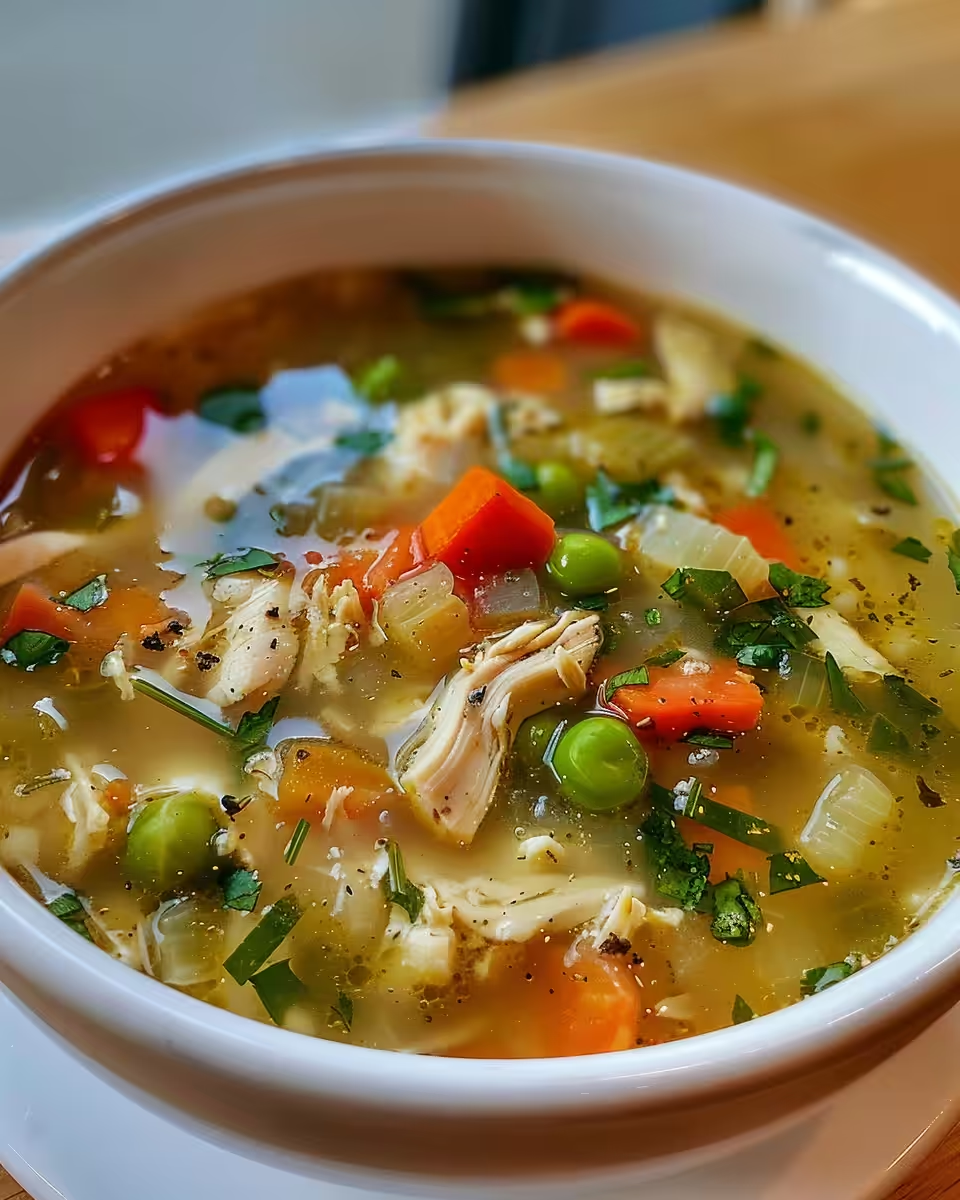
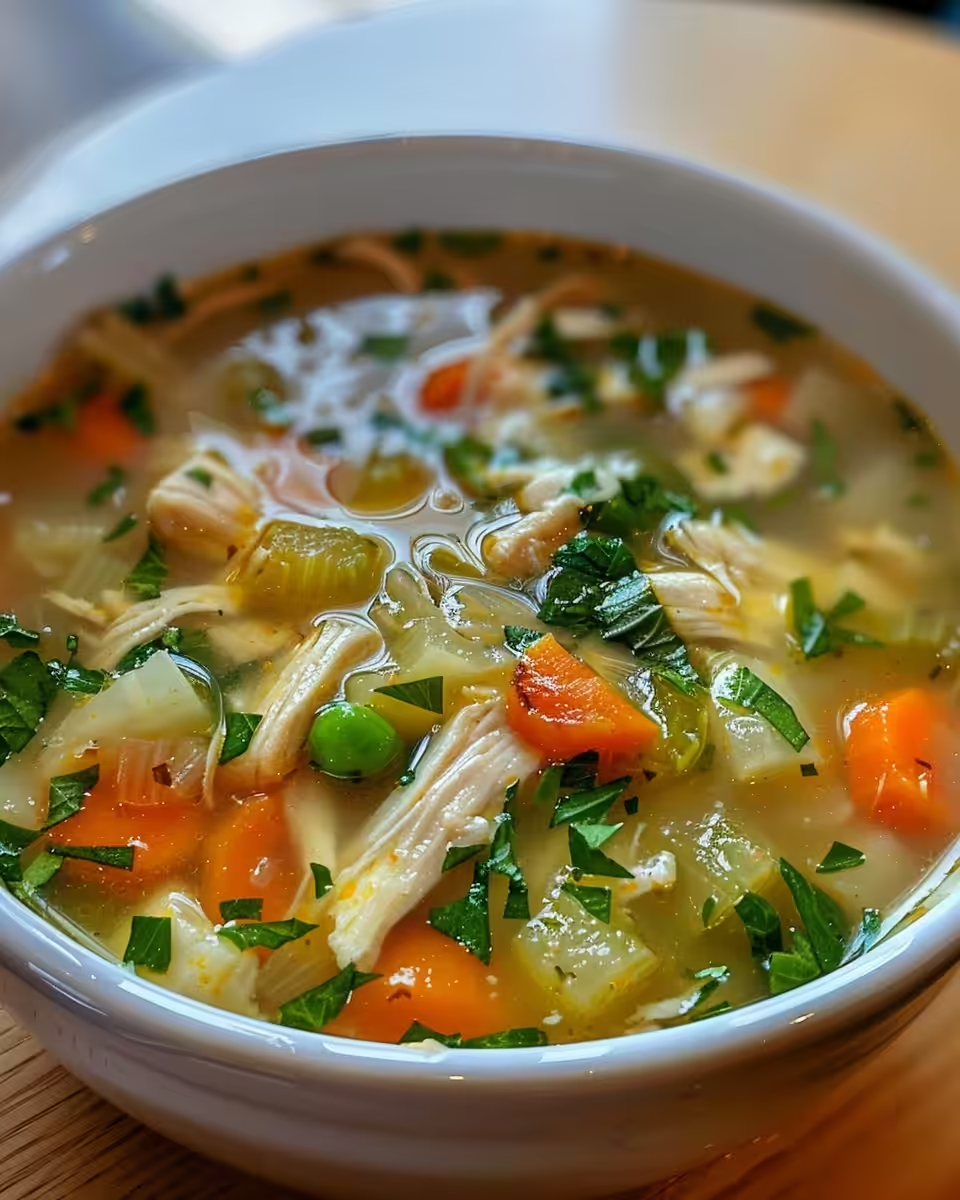
You’ll notice the broth rich, full of tang from the tomatoes and depth from chicken broth. It hugs your spoon in a way that feels like a warm, cozy blanket.
The chicken is tender with that perfect pull apart texture, moist, and juicy. Its taste mingles with the soft carrots and celery that still hold just a slight bite.
Potatoes soak up the broth goodness, the green beans and corn add fresh pops of flavor, and the parsley sprinkled on top feels like the final touch of love. It’s dang satisfying to eat.

Your Leftover Strategy Guide
- Cool your soup completely before storing to keep it fresh and avoid soggy textures.
- Use airtight containers because you want your soup staying tasty and not drying out in the fridge.
- Freeze leftovers in portion sizes for easy grab-and-go comfort later. It thaws well and still tastes like you just made it.
- Reheat gently on the stove or microwave using a slow release approach if you’re using the pressure cooker again to warm it up. Quick reheat keeps veggies nice.
Keeping these tips on point means your soup will taste dang good even a few days after cooking. You don’t gotta worry about it losing its charm.
What People Always Ask Me
- Can I use fresh chicken instead of cooked? Yep, but you gotta adjust cooking time. Use raw chicken and pressure cook for about 10 to 12 minutes for safety.
- What if I want it spicier? Toss in some crushed red pepper flakes or hot sauce while cooking for a little kick.
- Can I swap veggies like zucchini or peas? Totally. Just add delicate veggies like zucchini at the end or use frozen peas in the last few minutes.
- How do I keep the soup from getting watery? Don’t add too much broth at the start and use natural release for better flavor absorption.
- Is it okay to double the recipe? Sure thing. Just don’t fill your pressure cooker above the max fill line and increase cooking times slightly.
- What if I forget to quick release? No worries, the soup will still be tasty, but veggies might get softer than you like.
All these little Q&As are stuff that helps you get the best outta your soup every single time. You’re gonna love making it your own.
For more recipes and creative cooking ideas, check out our great Enchilada Pasta and Cheesy Taco Sticks that bring bold flavors and easy prep for any day.
Also, if you love quick and comforting meals, you’ll enjoy our Garlic Mushroom Pasta and our Delicious Balsamic Chicken recipes. They are perfect for weeknight dinners full of flavor.
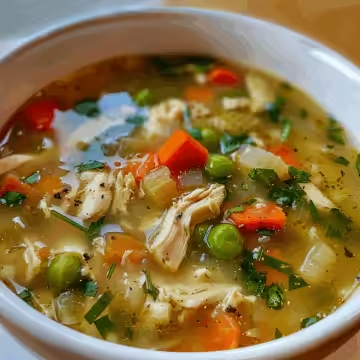
Chicken Vegetable Soup in the Pressure Cooker
Equipment
- 1 Pressure cooker
- 1 Mixing spoon
Ingredients
Main ingredients
- 1 tablespoon butter
- ½ cup onion finely diced
- 2 carrots peeled, halved lengthwise and sliced
- 2 stalks celery thinly sliced
- 2 teaspoons minced garlic
- 3 cups cooked chicken shredded or cubed
- salt and pepper to taste
- 15 ounce can diced tomatoes do not drain
- 8 ounce can tomato sauce
- 1 teaspoon Italian seasoning
- 6 cups chicken broth
- 1 large Russet potato peeled and cut into ½ inch cubes
- ½ cup frozen corn
- ½ cup diced green beans fresh or frozen
- 2 tablespoons chopped fresh parsley
Instructions
Instructions
- Melt the butter in your pressure cooker pot over medium heat. Let that butter get all melty and ready for action.
- Add the onion, carrots, and celery. Cook for about 5 to 7 minutes until those veggies start getting soft and you can smell 'em. They should look kinda translucent.
- Stir in minced garlic and cook for 1 minute more until you get that fragrant smell sneaking up on you.
- Dump in your cooked chicken, diced tomatoes with juice, tomato sauce, Italian seasoning, salt, and pepper. Stir it all up so everything’s cozy.
- Pour in your chicken broth, enough to just cover the ingredients, usually 4 to 5 cups. Give a gentle stir.
- Seal the lid, set your valve up and bring the cooker to high pressure. Once you hear that valve hiss, do a quick release or natural release depending how tender you want the veggies. Usually 7 to 8 minutes under pressure gets a good tender pull on the chicken and soft veggies.
- When you open that lid, give it a stir. Taste to see if you need more salt or pepper. Sprinkle fresh parsley on top for a bit of brightness, and you’re good to go!