The pressure builds and you start counting down minutes until you eat. You feel that little buzz of excitement, 'cause you know something good's about to happen in your kitchen. The float valve pops and you know it’s time to move fast but carefully.
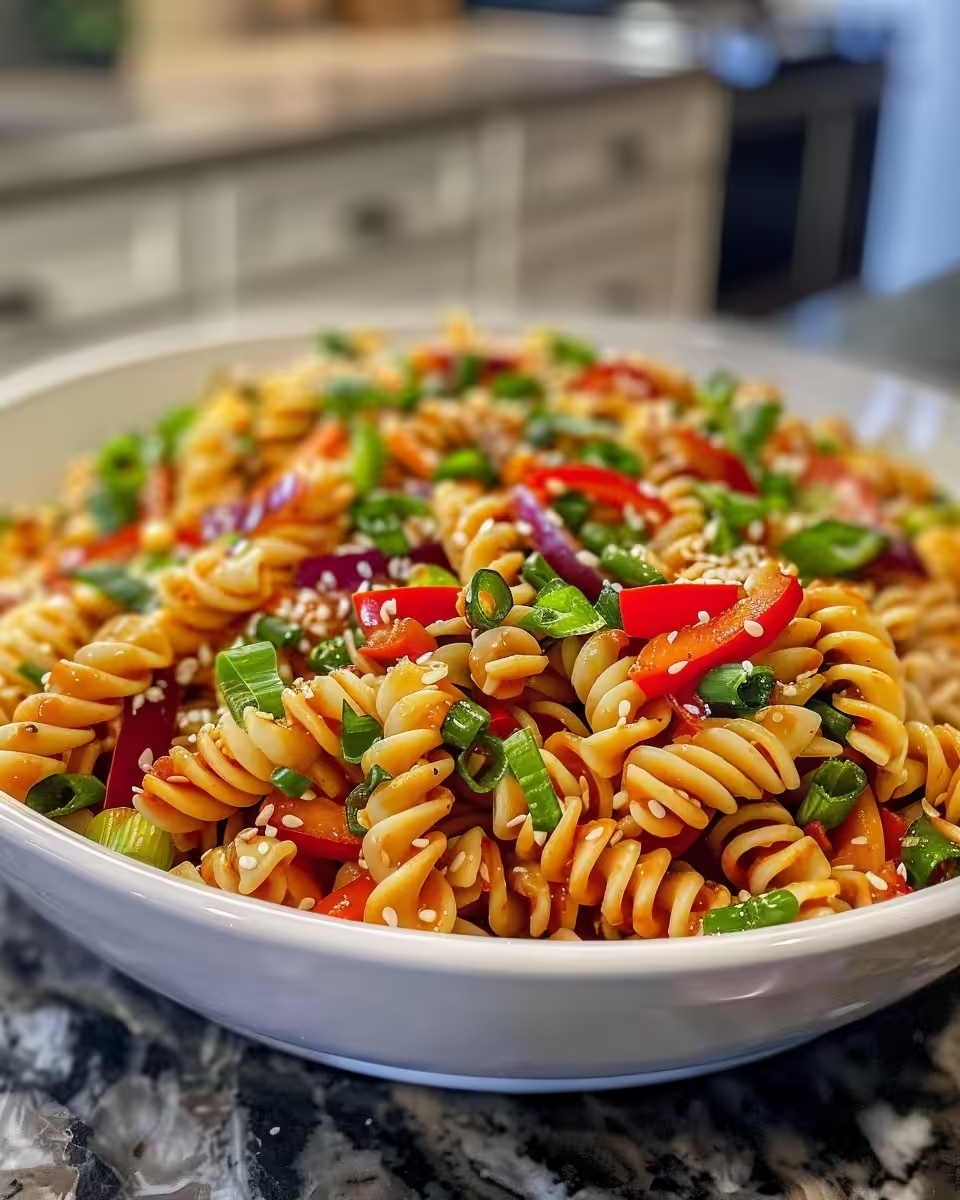
You sense the tender pull of the noodles once the pressure’s released naturally. They’re just right, not soggy, holding a perfect bite to them. It’s all about that broth depth and noodle texture working together.
When you toss in that crunchy mix of veggies and drench it all in Thai peanut sauce, it’s like every bite is a happy surprise. You gotta love how the peanut sauce clings to everything, making the salad not only tasty but kinda addictive. Y’all will agree this is one bowl that’s gonna hit the spot every single time.
What Makes Pressure Cooking Win Every Round
- Pressure cooking slashes your noodle cooking time drastically and helps get that perfect tender pull without turning mushy.
- The flavor in your Thai peanut sauce deepens with the heat and pressure, giving you a richer taste you just can’t get with slow cooking.
- Natural release helps keep the noodles from overcooking and keeps their texture spot on.
- You’re hands-free for a bit while the pressure builds and does its thing, so you can prep other stuff or just chill.
- Consistent pressure means your noodles cook evenly, no surprises here.
- It’s easy to control the timing so you avoid that dreaded sticky noodle mess.
- Cleanup tends to be quicker since you’re using just one pot for the noodles and sauce prep.
Everything You Need Lined Up
- 6 ounces dry noodles - brown rice, Pad Thai style, soba, or even linguini for a twist.
- 4 cups of mixed shredded or thinly sliced red cabbage, carrots, and radish for that fresh crunch.
- 1 red bell pepper, finely sliced to add color and sweetness.
- 3 scallions, sliced for that oniony pop.
- Half a bunch cilantro, roughly chopped, or swap in basil and mint for an herbal lift.
- 1 tablespoon (or less, or more if you’re daring) finely chopped jalapeño to bring some heat.
- A quarter to a half cup roasted crushed peanuts to sprinkle on top if you’re feeling fancy.
- For the sauce, grab 5 thin slices of ginger about the size of a quarter and 2 cloves garlic for that foundational kick.
- Half a cup peanut butter or almond butter if you wanna switch it up, plus fresh orange and lime juice, soy sauce or Braggs, honey or maple syrup, toasted sesame oil, cayenne pepper, and salt to round out layers of flavor.
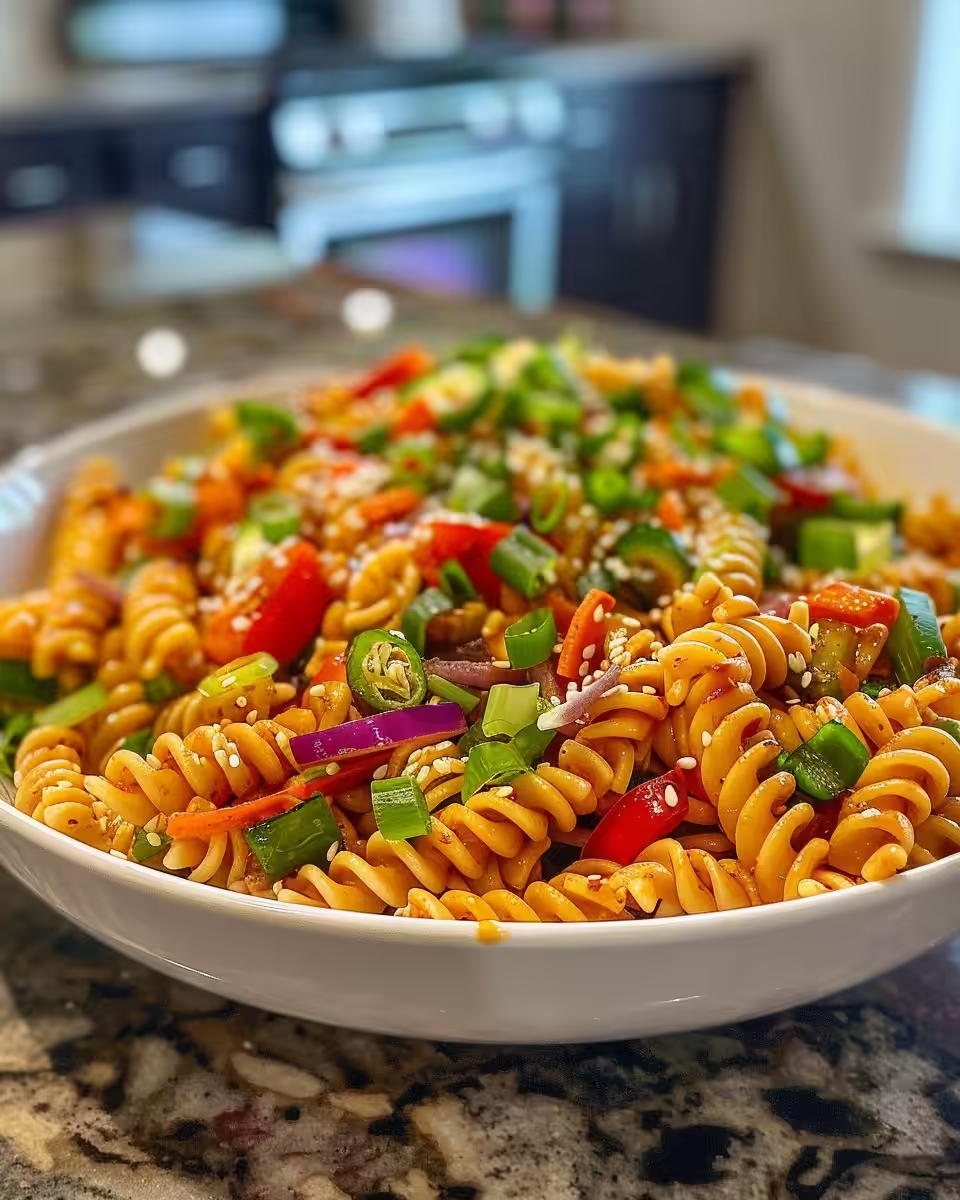
This combo brings a great balance between fresh, spicy, sweet, and nutty, all working together like a well-rehearsed band.
Walking Through Every Single Move
- First, cook your noodles according to what the package says. Once they reach their perfect tender pull, drain ’em and rinse under cold water right away. This stops cooking and keeps things from sticking together.
- In a big bowl, toss together your shredded cabbage, carrots, radish, the finely sliced red bell pepper, and scallions. You get a nice crisp texture that’ll match perfectly with the soft noodles.
- Now for the sauce. In a separate bowl, mix peanut butter, finely chopped jalapeño, minced garlic, and ginger slices. Blend it smooth and creamy. If the sauce feels too thick, you can add a little water to loosen it up and get it just right for drizzling.
- Take your cooked noodles and add ’em to the veggie bowl. Pour that luscious peanut sauce all over and toss everything together well. Make sure every noodle and veggie gets coated evenly. This is the good part where you mix love and flavor.
- Garnish with those crushed peanuts and chopped cilantro on top. This adds crunch and fresh herbal zest that really finishes the dish off perfectly.
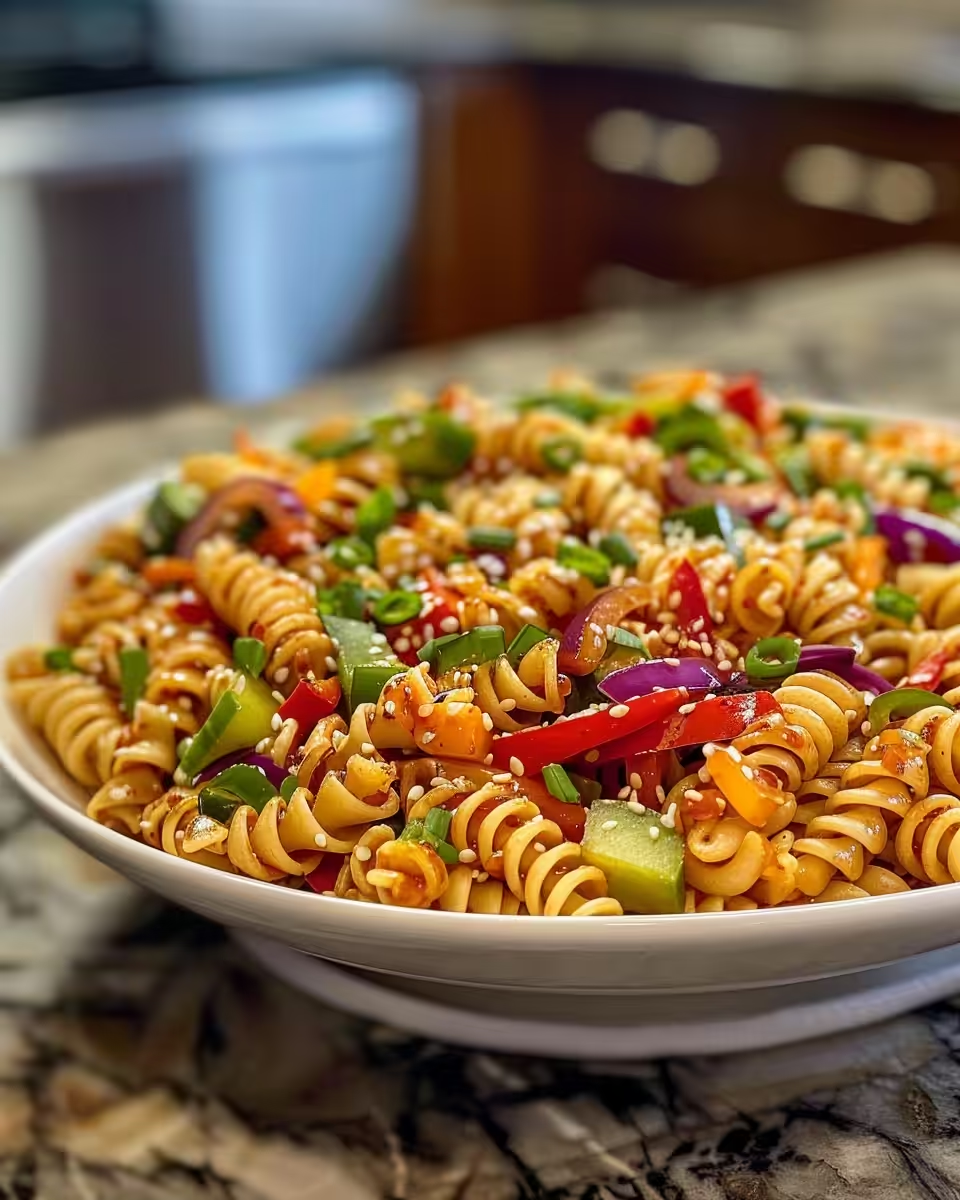
- Serve immediately or let it chill a bit in the fridge if you prefer it cold. Either way, you can’t go wrong with this salad looking all colorful and smelling amazing.
Easy Tweaks That Make Life Simple
- Use store-bought pre-sliced veggies if you want to skip some chopping but keep an eye on freshness.
- Swap almond butter for peanut butter if you’re running low or want a slightly different nutty flavor.
- Make the peanut sauce in bigger batches and keep it in the fridge for a few days, so it’s ready anytime you wanna toss a salad.
- Sub in tamari sauce if you want gluten-free but avoid regular soy cause it can turn your peanut sauce dark and bitter.
- If you don’t like heat, go easy on the jalapeño or leave it out completely and add a splash of sriracha on the side for those who like a little kick.
When You Finally Get to Eat
You notice right away that crunch from the fresh veggies mixed with the tender noodles. It’s got that lovely chew that just feels satisfying as you bite into it. The peanut sauce is creamy and nutty with just enough spice to keep you interested.
The citrus from lime and fresh orange juice brightens up every mouthful, making it feel light but still filling. You catch those little pops of herbs from the cilantro that lift the whole dish.
It kinda feels like summer in a bowl and you might catch yourself sneaking bites even when you’re not super hungry. Y’all are gonna want seconds, yeah, no shame in that.
Your Leftover Strategy Guide
- Store any leftovers in an airtight container in the fridge. It’ll keep fresh for about 2-3 days but try to eat it sooner cause the noodles might start to soften more.
- If you wanna keep the veggies super crisp, store the peanut sauce separately and toss it just before eating. That way, nothing gets soggy.
- You can freeze the cooked noodles without sauce for a quick meal later. Just thaw them in the fridge and toss with fresh veggies and peanut sauce when you’re ready.
Everything Else You Wondered About
- Can I use fresh noodles instead of dry? Sure thing! Just adjust cooking times since fresh noodles usually need less pressure build time.
- What if I don’t like spicy? No problem. Skip the jalapeño or sriracha. The sauce is still full of flavor without it.
- Can I make this vegan? Absolutely, just use maple syrup instead of honey and make sure your soy sauce is vegan certified.
- Do I really need the natural release? It helps the noodles finish cooking evenly and stops ’em from getting mushy, so yep, it’s worth waiting for.
- What’s the best noodle type? Brown rice and pad thai noodles got the best chew, but soba or linguini work too if you want a change.
- Is the peanut sauce freezer friendly? Yep! Freeze in small portions and thaw in the fridge overnight when you need it.
Thai Noodle Salad with the BEST Thai Peanut Sauce
Equipment
- 1 Large mixing bowl
Ingredients
Ingredients
- 6 ounces dry noodles brown rice, Pad Thai style, soba, or even linguini for a twist
- 4 cups mixed shredded or thinly sliced veggies red cabbage, carrots, and radish
- 1 red bell pepper finely sliced
- 3 scallions sliced
- ½ bunch cilantro roughly chopped, or swap in basil and mint for an herbal lift
- 1 tablespoon jalapeño finely chopped
- ¼ to ½ cups roasted crushed peanuts to sprinkle on top if you're feeling fancy
- 5 slices ginger thin slices about the size of a quarter
- 2 cloves garlic minced
- ½ cup peanut butter or almond butter for sauce
- fresh orange and lime juice for sauce
- soy sauce or Braggs for sauce
- honey or maple syrup for sauce
- toasted sesame oil for sauce
- cayenne pepper and salt to taste for sauce
Instructions
Instructions
- First, cook your noodles according to what the package says. Once they reach their perfect tender pull, drain ’em and rinse under cold water right away.
- In a big bowl, toss together your shredded cabbage, carrots, radish, the finely sliced red bell pepper, and scallions.
- In a separate bowl, mix peanut butter, finely chopped jalapeño, minced garlic, and ginger slices to create the sauce.
- Take your cooked noodles and add ’em to the veggie bowl. Pour the peanut sauce over and toss everything together well.
- Garnish with crushed peanuts and chopped cilantro. Serve immediately or chill in the fridge.