That first hiss from the cooker tells you something good is happening. You spot the sealing ring doing its job, keeping every bit of steam locked in tight. It makes you feel like dinner's gonna come out just perfect, y'all.
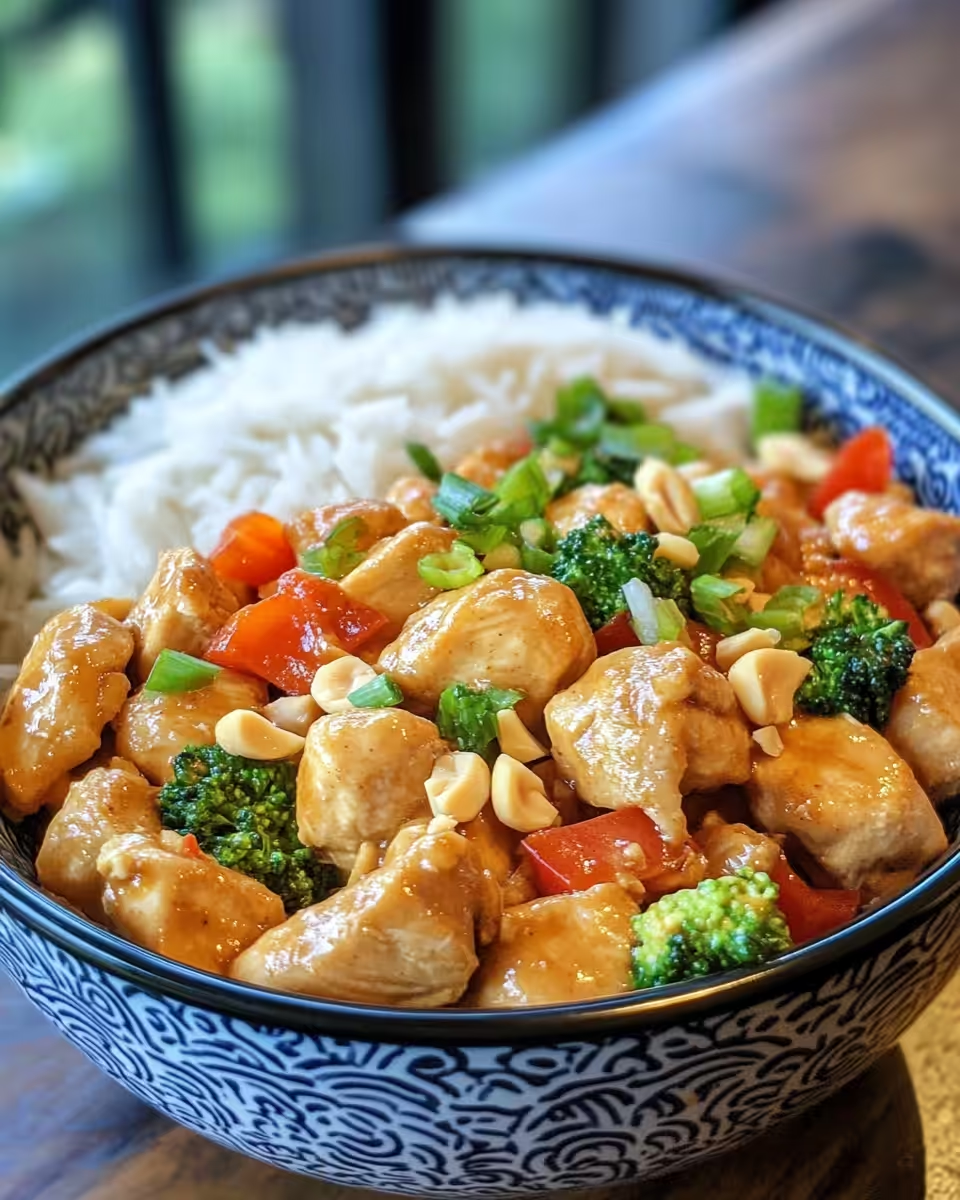
That valve hiss, it's kinda like a countdown to awesome flavors bubbling together. You remember how quick release takes just a moment, but really lets everything settle into a delicious mix. And the float valve? It pops up, letting you know the pressure's up and things are cookin' good.
You notice the tender pull on the chicken strips when you open the lid, all juicy and soft. The noodles aren't mushy either, just right from the quick soak you did earlier. This homemade Pad Thai is feeling like a total winner tonight.
Why Your Cooker Beats Every Other Pot
- Pressure trapping means your chicken gets tender real fast without drying out.
- The sealed environment locks in all those sauces and spices, making bold flavors pop.
- Quick release saves you wait time, no hovering or guessing.
- Float valve tells you when it’s safe to open, so you don’t mess it up.
- Even heat avoids hot spots, so your veggies cook just right and keep crunch.
- Sealing ring holds everything under pressure perfectly, no steam leaks.
- One pot does it all, so cleanup is way easier after you’re done.
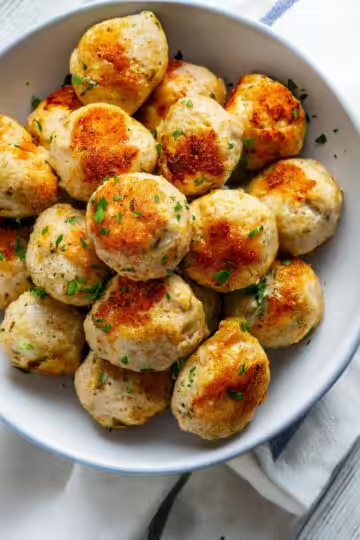
Understanding how a pressure cooker outperforms your usual cookware can truly enhance your cooking game. For more tips on selecting the best pot, check out our Easy Thai Baked Chicken Meatballs recipe to see these principles in action.
Using the quick release and float valve properly ensures safety and perfect texture in your dishes. For detailed insights, visit our guide on pressure cooking essentials.
The Complete Shopping Rundown
You'll need some key things to get this chicken Pad Thai just right. Start with 8 oz. of rice noodles, nice and thin around a quarter inch wide. If you can’t find 'em, fettuccine pasta works too if you're in a pinch.
Grab some toasted sesame oil and a good vegetable or peanut oil for that stir-fry flavor punch. You'll wanna slice 1 lb. chicken breast into thin strips, about 2 inches long, so they cook quick and stay tender.
Vegetable-wise, make sure you pick out one red bell pepper and slice it thin then halve it. That shine and sweetness really lifts the dish. Then there's shallots and matchstick carrots to add crunch and mild sweetness.
Don't forget four cloves of garlic, minced nice and fine for that kick. You’ll also beat two eggs to scramble in, plus three cups of fresh bean sprouts for crunch once the noodles are ready.
For the fresh touch, grab two green onions and a quarter cup of chopped cilantro leaves. You're also gonna want some unsalted peanuts, about half a cup roughly chopped, not too fine.
Now the sauce stuff, get ready: brown sugar, low sodium soy sauce, fish sauce, lime juice, rice vinegar, smooth peanut butter, and chili paste like Sambal Oelek. Plus dried basil, ground coriander, ground ginger, and either a quarter to half teaspoon of black pepper.
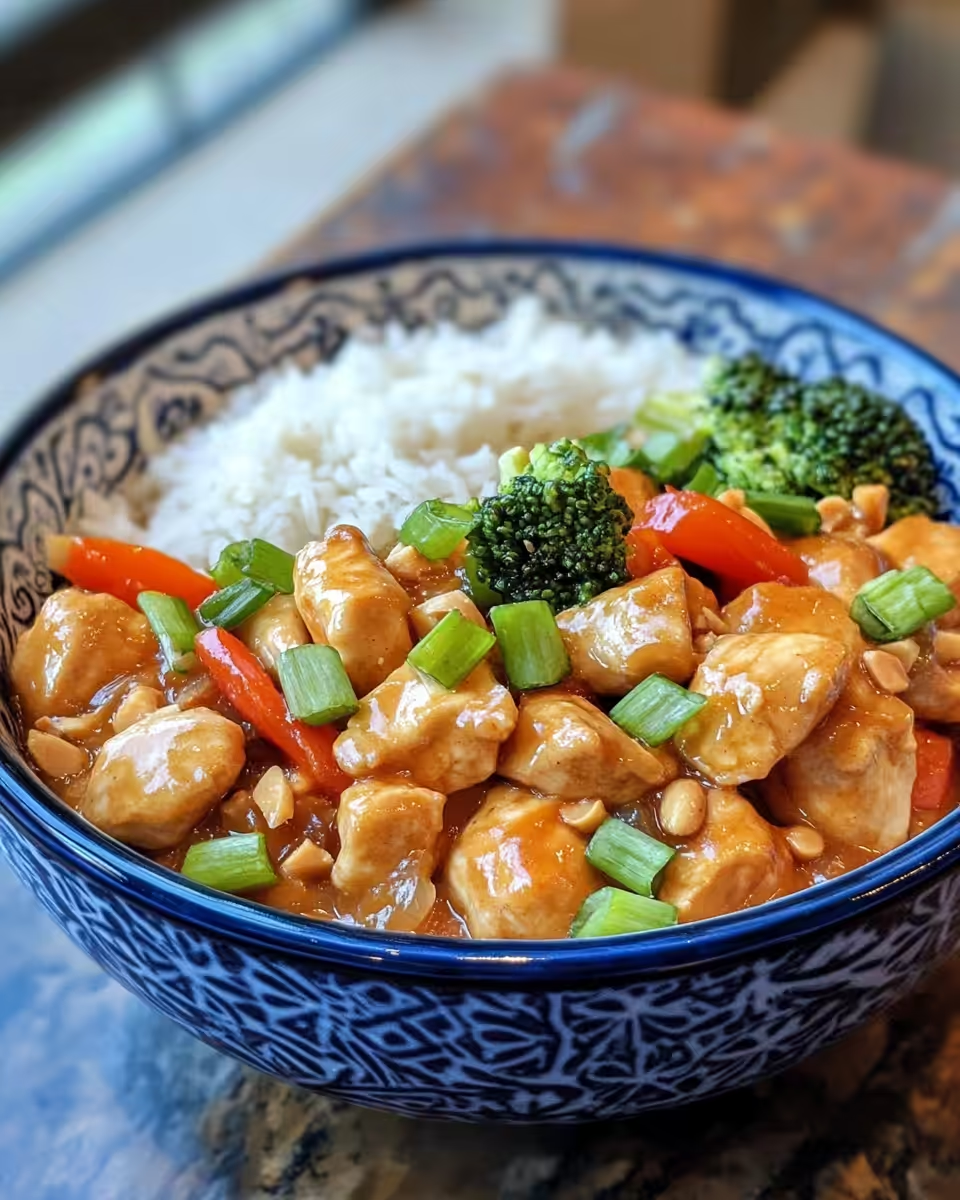
Finding the freshest ingredients ensures your Pad Thai turns out perfectly balanced. For alternative ideas, browse our recipe collection featuring quick pressure cooker meals ready in under 30 minutes.
Walking Through Every Single Move
First thing, cook your rice noodles following the package. You gotta rinse them with cold water when done, drain 'em well, then toss with that toasted sesame oil so they don’t stick. Set 'em aside.
Next, heat up the vegetable or peanut oil in a big skillet or wok over medium-high heat. Toss in the chicken strips to brown up for around 5-6 minutes till they’re cooked through. Take 'em out and put aside.
Drop the red peppers, shallots, and carrots in the same skillet. Stir-fry 'em for about 2-3 minutes till just tender but still got some crunch. Then add garlic and cook just half a minute till it smells real good.
Push those veggies to one side. Pour in the beaten eggs and scramble 'em lightly till they're almost set. Mix 'em with the veggies.
Return the cooked chicken, toss in your prepared noodles, and stir everything together so flavors start to blend. Now pour over your Pad Thai sauce and stir-fry for 2-3 minutes till all heated through and coated nicely.
Finally, gently fold in the bean sprouts, cook for just 1 minute more so they stay crisp. Remove from heat, grab your crushed peanuts, green onions, and cilantro. Serve immediately with lime wedges for squeezing.
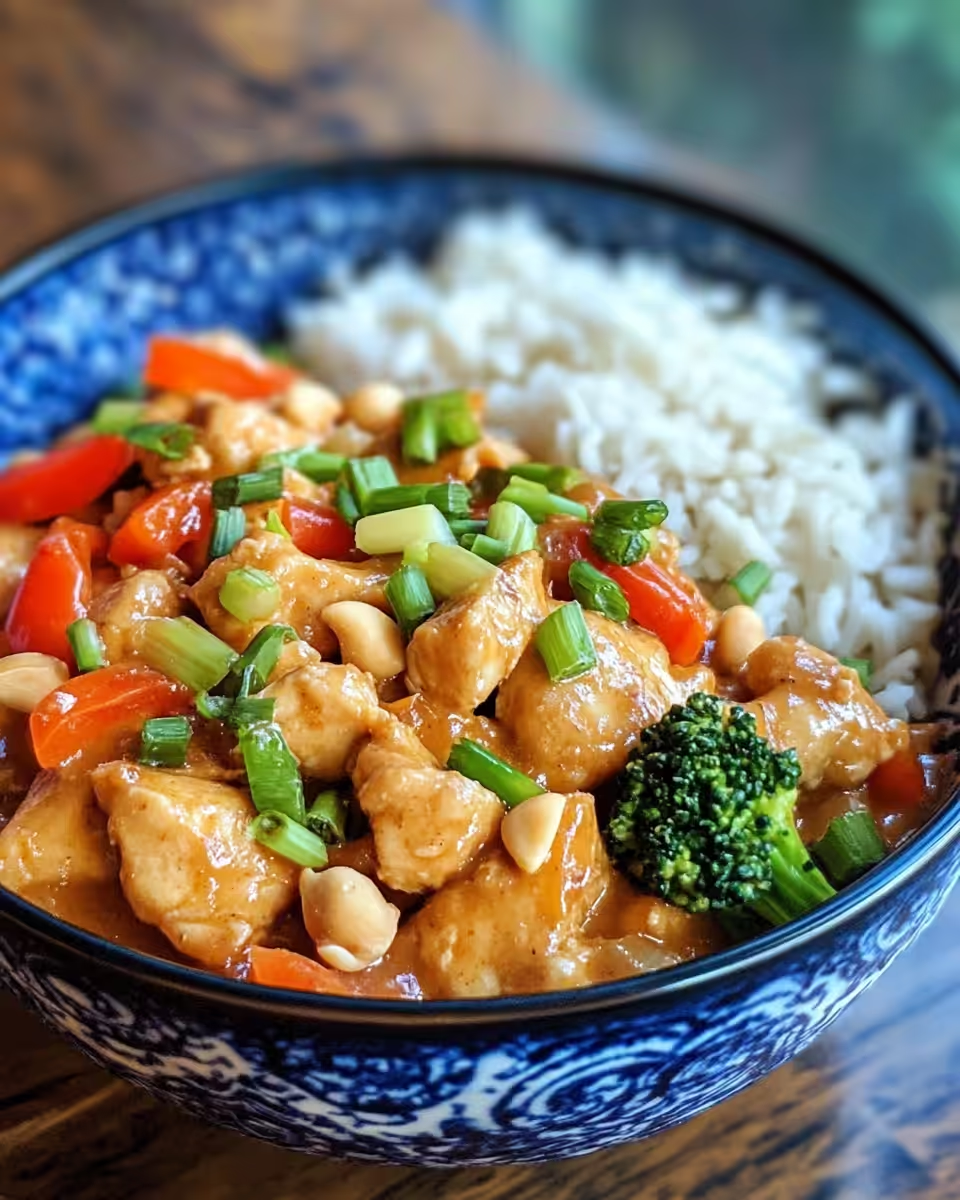
Master these steps and your Pad Thai will be a showstopper, captivating all at your dinner table. Explore additional stir-fry tips and recipes for quick weeknight cooking in our culinary library.
Smart Shortcuts for Busy Days
When you don’t wanna fuss too long, here's some hacks to keep your Pad Thai quick but tasty. First, cook your noodles ahead then chill 'em with a little oil in the fridge.
You can also slice chicken and veggies the night before so you just toss 'em in the pan when you get home. Make the sauce earlier too and keep it in a jar waiting.
If you’re super pressed, canned bean sprouts can step in – just give 'em a quick rinse and drain. And for garlic if you’re outta fresh cloves, garlic powder works okay as a sub.
Efficient prep can save loads of time. Check out our Easy Thai Baked Chicken Meatballs recipe for more make-ahead ideas perfect for busy schedules.
When You Finally Get to Eat
That first bite is all rich and tangy with a little hint of heat from the chili paste. You feel the tender chicken pull apart easy while the noodles cling to that luscious sauce.
The crunch from the bell peppers and carrots mixes awesome with fresh bean sprouts, making it kinda like a flavor party with every forkful. Then those peanuts add a surprising little crisp and nutty joy.
Don’t skip a squeeze of lime when you dig in – that bright little splash wakes everything up and makes each bite even better. Y'all, this stuff is pure comfort served up fast on a weeknight.
For a refreshingly light finish, try pairing this dish with crisp sides like Asian slaws or a chilled cucumber salad, featured in our related recipes collection.
Making It Last All Week Long
Pressured cooker meals actually keep pretty nicely when stored right. To keep your Pad Thai fresh, put leftovers in airtight containers and refrigerate within two hours.
It’ll last well for 3-4 days in the fridge, just reheat it in a skillet over medium heat to avoid soggy noodles. Adding a splash of water or extra lime juice helps loosen things back up.
If you wanna lock it in longer, freeze portions in freezer-safe bags. Thaw overnight in the fridge before warming up. Just remember the bean sprouts get softer after freezing, so toss in fresh once reheated.
For a salad-style cold Pad Thai, store the chopped veggies and sauce separately. Combine right before eating for a fresh twist any day of the week.
For more meal prep and storage tips, explore our detailed guides on pressure cooking and freezer-friendly meals.
Everything Else You Wondered About
- Can I use different noodles? Yeah, you can swap rice noodles for fettucine, soba, or even spaghetti if needed, just adjust cooking times.
- What if I don’t have fish sauce? Use soy sauce alone but a little lime juice extra can help bring brightness instead.
- How do I know when the pressure cooker’s sealed well? Check the sealing ring for cracks and make sure the float valve pops up when pressure builds.
- Is quick release safe for this dish? Absolutely. Quick release keeps noodles from overcooking in the residual heat.
- Can I add tofu instead of chicken? Definitely! Just press the tofu well and add it later to avoid breaking apart in the cooker.
- Why do my noodles sometimes stick together? Tossing them in sesame oil after rinsing keeps them separate and silky smooth.
Homemade Pad Thai (Chicken)
Equipment
- 1 Mixing bowl medium
- 1 Large skillet or wok nonstick
Ingredients
Pad Thai Ingredients
- 8 oz rice noodles ¼” wide, may substitute fettuccine
- 1 teaspoon toasted sesame oil
- 1 tablespoon vegetable or peanut oil
- 1 lb chicken breast sliced into thin strips then 2” pieces
- 1 red bell pepper thinly sliced then halved
- ⅓ cup shallots minced
- 1 ½ cups matchstick carrots
- 4 cloves garlic minced
- 2 eggs beaten
- 3 cups bean sprouts about 6 oz
- 2 green onions chopped
- ½ cup unsalted peanuts roughly chopped
- ¼ cup cilantro leaves chopped
- 1 tablespoon lime juice optional
- ⅓ cup brown sugar packed
- 3 tablespoon low sodium soy sauce
- 3 tablespoon fish sauce
- 3 tablespoon lime juice
- 3 tablespoon rice vinegar
- 3 tablespoon smooth peanut butter
- 1-1.5 tablespoon chili paste like Sambal Oelek
- ¾ teaspoon dried basil
- ¾ teaspoon ground coriander
- ¾ teaspoon ground ginger
- ¼-1/2 teaspoon pepper
Instructions
Instructions
- Cook the rice noodles according to package directions. Rinse with cold water, drain, and toss with toasted sesame oil to prevent sticking. Set aside.
- Whisk together all sauce ingredients in a medium bowl. Set aside.
- Heat vegetable or peanut oil in a large nonstick skillet over medium-high heat. Add chicken and cook until browned and cooked through, about 5-6 minutes. Transfer to plate.
- In the same pan, stir-fry bell peppers and shallots for 1 minute. Add carrots and garlic, stir-fry for 1 more minute.
- Push vegetables to one side. Pour in beaten eggs, scramble lightly, and combine with vegetables.
- Add cooked chicken back into skillet along with noodles. Pour in sauce and stir-fry for 2-3 minutes until evenly coated and heated through.
- Gently fold in bean sprouts and stir for 1 more minute. Remove from heat.
- Top with chopped green onions, cilantro, and crushed peanuts.
- Serve immediately with optional lime wedges for an extra brightness boost.